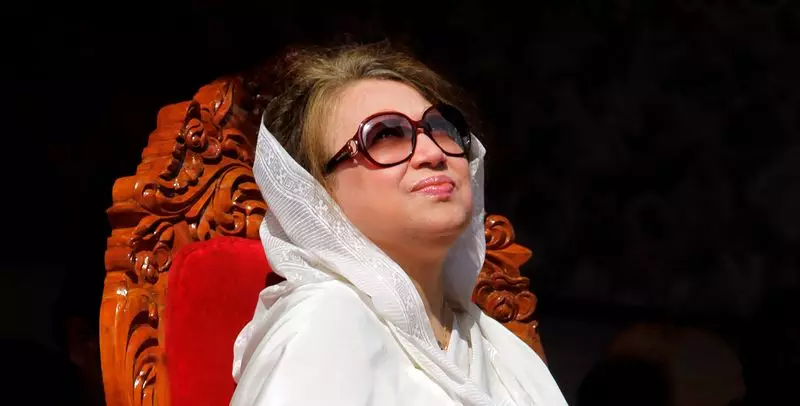
The final rites for former Bangladesh Prime Minister and Bangladesh Nationalist Party (BNP) chairperson, Begum Khaleda Zia, have been officially scheduled. Her funeral prayer, or namaz-e-janaza, will be conducted at 2:00 PM on Wednesday at the historic Parliament Mosque in the capital city of Dhaka.
Final Arrangements for a Political Icon
This announcement follows the passing of the two-time former premier, a towering figure in Bangladeshi politics, on Saturday, August 24. Khaleda Zia, who had been battling various health complications for an extended period, breathed her last at a private hospital in Dhaka. Her son and BNP's senior vice-chairman, Tarique Rahman, confirmed the somber news from London.
The decision regarding the timing and location of the funeral prayer was made public by BNP's media cell member, Shairul Kabir Khan. The choice of the Parliament Mosque, located within the premises of the National Parliament (Jatiya Sangsad Bhaban), is significant, reflecting her stature as a former head of government.

A Nation in Mourning
The death of Khaleda Zia marks the end of an era in Bangladesh's tumultuous political landscape. As the chief of the BNP, the country's principal opposition party, she was a central figure for decades, governing from 1991 to 1996 and again from 2001 to 2006. Her political journey, often defined by a fierce rivalry with the ruling Awami League and its leader Sheikh Hasina, shaped the nation's contemporary history.
In recent years, her health had been a major concern. She was receiving treatment for liver cirrhosis, arthritis, diabetes, and cardiac issues. Her medical struggles were compounded by legal battles, and she spent significant time in a Dhaka jail following a conviction in a corruption case before being released on conditional bail.
Political Legacy and Immediate Aftermath
The passing of Khaleda Zia leaves a substantial void within the BNP and the broader opposition alliance. The party is now tasked with navigating its future without its most prominent leader. The announcement of the funeral arrangements has drawn attention from across the political spectrum and the public, with many expected to gather to pay their final respects.
While the immediate focus is on the solemn funeral proceedings, political analysts are already speculating on the long-term implications for Bangladesh's democracy and the balance of power. The event is likely to be a moment of significant national reflection, drawing dignitaries, supporters, and international observers to Dhaka.
As the nation prepares to bid farewell, the scheduled funeral prayer at the Parliament Mosque stands as a formal state acknowledgment of her contributions and her enduring impact on the country's political narrative.