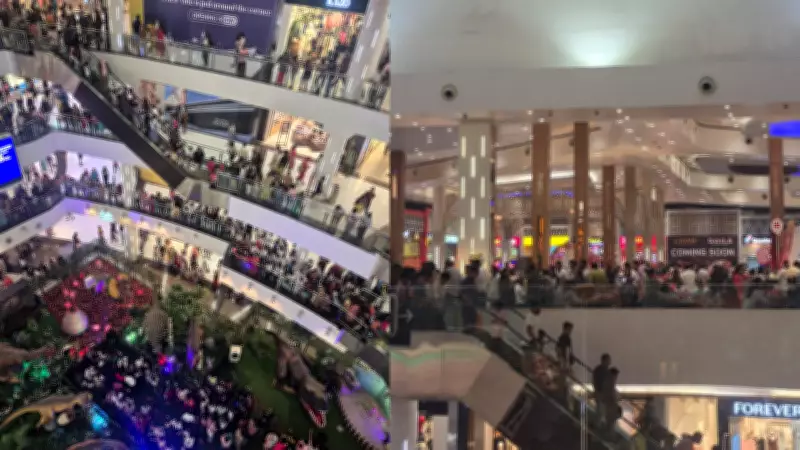
With the city suffocating under relentless heat and humidity, malls have quietly become default refuge spaces. Not because people suddenly developed an overwhelming urge to shop, but because there are painfully few accessible, comfortable, and democratic public spaces left where people can simply exist without obligation. A few hours of cool air, seating, and basic comfort have themselves become rare forms of urban relief.
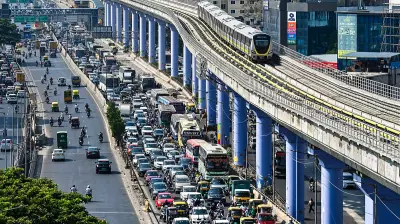
Which is why the recent chaos at a prominent South Kolkata mall should not merely be dismissed as an issue of crowd mismanagement. It exposed something far more uncomfortable: how desperately starved this city is for recreational spaces that are inclusive, accessible, and equipped to handle the public they claim to welcome. The overwhelming turnout was never the problem. The lack of preparedness was. Families packed into overcrowded floors, traffic collapsing for hours, and people stranded in chaos for the sake of a few hours of entertainment — this is what happens when an entire population is forced to funnel its need for leisure into a handful of privately controlled spaces.
What the Incident Truly Exposed
This incident revealed how starved Kolkata is for democratic public spaces. The city has parks, clubs, cafes, and seasonal events, but very few accessible spaces where people across class and age groups can simply gather comfortably without the pressure to spend money or endure inconvenience. Malls have increasingly become substitutes for public infrastructure because there are not enough inclusive recreational spaces left.

The Need for Democratic Spaces
A healthy urban culture cannot depend entirely on commercial spaces. Kolkata needs more democratic spaces like better parks, public plazas, pedestrian-friendly zones, waterfronts, cultural hubs, and safe community spaces where people can exist freely without being treated as consumers first.
A Broader Urban Failure
This was never just about one overcrowded mall. It was a reminder that Kolkata has steadily failed to create enough public spaces where people can simply breathe, gather, and spend time without struggle, inconvenience, or the expectation to consume. The city must prioritize inclusive infrastructure that serves all citizens, not just shoppers.