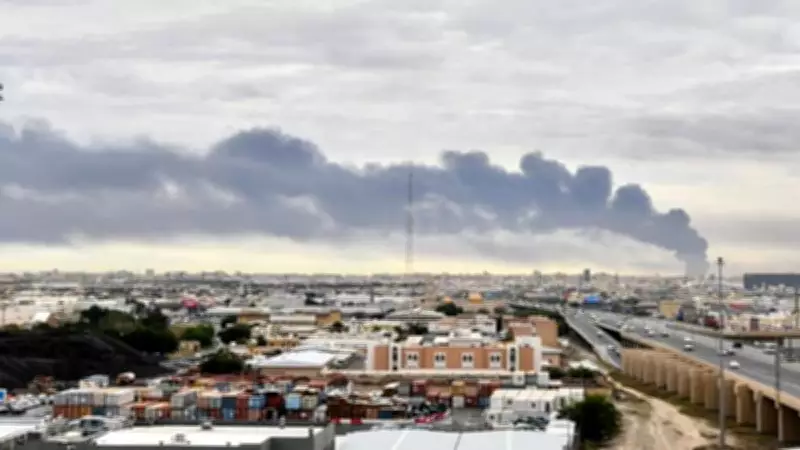
Kuwait has reported a missile drone strike as tensions between the United States and Iran escalate, threatening to unravel a fragile ceasefire in the West Asia region. The incident, which occurred on May 28, 2026, has raised alarms about the stability of the area, already fraught with conflict and diplomatic strains.
Details of the Strike
According to Kuwaiti officials, the missile drone strike targeted a military installation in the northern part of the country. The attack resulted in significant damage to infrastructure but, fortunately, no casualties were reported. The source of the strike remains unidentified, but suspicions point to non-state actors operating in the region.
Impact on the Ceasefire
The strike comes at a critical time when a ceasefire agreement, brokered by international mediators, is barely holding. The US-Iran tensions have been a major factor in the volatility of West Asia, with both nations engaging in proxy conflicts and military posturing. Kuwait, a key ally of the US, finds itself caught in the crossfire.

Regional analysts warn that this incident could lead to a broader conflict if not contained. The United Nations has called for restraint from all parties, urging dialogue to de-escalate the situation.
US-Iran Tensions
The relationship between the US and Iran has been deteriorating for months, with disputes over nuclear programs, sanctions, and regional influence. The recent strike in Kuwait is seen as a symptom of these larger geopolitical struggles. Iran has denied any involvement, while the US has condemned the attack and pledged support for Kuwait's defense.
International Response
The international community has reacted with concern. The European Union has issued a statement calling for an immediate investigation into the strike. Meanwhile, neighboring Gulf states have expressed solidarity with Kuwait and heightened their own security measures.
This development underscores the fragile state of peace in West Asia, where ceasefires are often temporary and conflicts can reignite with little warning. Experts emphasize the need for sustained diplomatic efforts to prevent further escalation.
Looking Ahead
As Kuwait recovers from the attack, the focus shifts to preventing future incidents. The country's military has been placed on high alert, and cooperation with US forces has been intensified. The coming days will be crucial in determining whether the ceasefire can hold or if the region spirals into a new phase of violence.
In summary, the missile drone strike in Kuwait is a stark reminder of the ongoing instability in West Asia, driven by US-Iran tensions. The fragile ceasefire is now under severe threat, with the potential for broader conflict looming.