

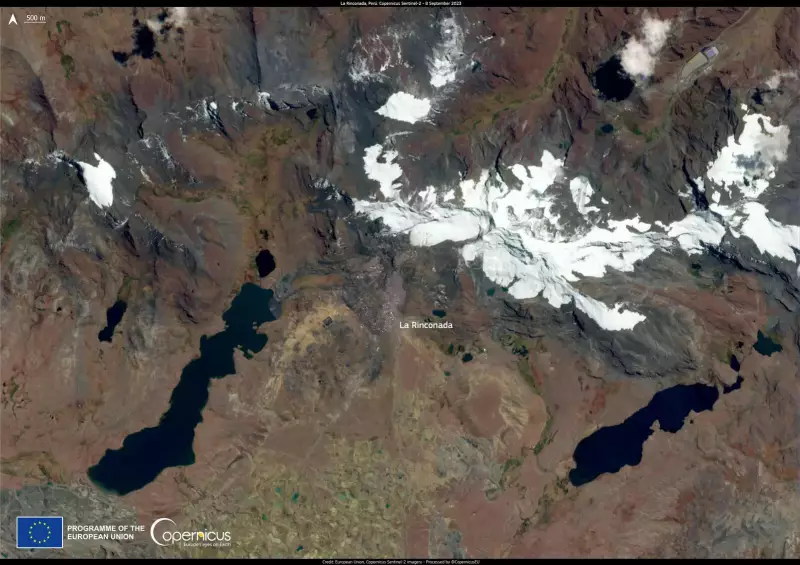
Life at 5,000 Meters: Inside La Rinconada, the World's Highest Permanent Settlement
Nestled high in the eastern Andes, near the very limits of human endurance, lies La Rinconada, a gold mining settlement that defies conventional urban norms. At approximately 5,000 meters above sea level, this remote Peruvian town holds the distinction of being the highest permanently inhabited place on Earth. Around 50,000 people call this harsh environment home, enduring life without fundamental amenities like running water, sewage systems, or organized waste disposal.
A Town Born from Gold and Glacial Slopes
La Rinconada clings precariously to the slopes of Mount Ananea in southeastern Peru, situated beneath a retreating glacier known locally as La Bella Durmiente. Roughly 650 kilometers from the Bolivian border, the town's existence is almost entirely sustained by gold extraction. What originated over four decades ago as a temporary mining camp has solidified into a permanent settlement, raising profound questions about health, labor practices, and the extremes people will endure for economic survival.
Extreme Environmental Conditions and Daily Challenges
The thin air at this altitude contains only about half the oxygen available at sea level, making even brief physical exertion challenging for newcomers. Temperatures frequently plummet below freezing, while the terrain consists of a treacherous mix of rock, ice, and mining waste. Despite these formidable conditions, an informal network of homes, shops, and makeshift streets has gradually spread across the mountainside.

The settlement developed organically without any formal urban planning or infrastructure. Essential services were never systematically installed, resulting in no formal sewage network and requiring residents to transport clean water manually. Garbage is typically burned or buried outside town limits, while electricity only arrived in the early 2000s, long after population growth had accelerated.
The Cachorreo System: Mining Without Guarantees
Gold mining in La Rinconada operates under an informal arrangement known locally as cachorreo. Under this system, miners labor for extended periods—often up to thirty consecutive days—without receiving regular wages. At the conclusion of this period, they are permitted to take as much ore as they can physically carry. Any gold extracted from that ore becomes their personal property, creating a high-risk, high-reward dynamic that attracts workers willing to gamble on dangerous conditions for potentially life-changing returns.
Population Surge Driven by Global Gold Markets
When international gold prices soared in the early 2000s, La Rinconada experienced explosive growth. Between 2000 and 2009, the population reportedly increased by over 200 percent as hopeful migrants arrived from across Peru, lured by tales of economic opportunity. This rapid expansion far outpaced any efforts to improve housing or public services, leaving much of the town in a perpetual state of improvisation and makeshift development.
Health Risks in the Thin Air
Living at such extreme altitudes poses severe physiological challenges. Many residents develop chronic mountain sickness, a condition caused by prolonged oxygen deprivation. Symptoms include persistent headaches, dizziness, and cardiovascular complications. Researchers estimate that approximately one in four inhabitants may suffer from this ailment. With limited healthcare facilities available locally, severe cases often require transportation to lower-altitude valleys for treatment, adding another layer of difficulty to survival in this unforgiving environment.
An Uncertain Future in a Changing Landscape
La Rinconada persists in a delicate balance with its surroundings. Gold continues to anchor the community, even as the glacier above steadily retreats and health risks remain largely unaddressed. No clear long-term plan exists for the town's development or sustainability. For now, daily life continues—a testament to human resilience amid thin air, freezing temperatures, and economic necessity, raising important global questions about resource extraction, human adaptation, and the limits of habitation in our world's most extreme environments.






