

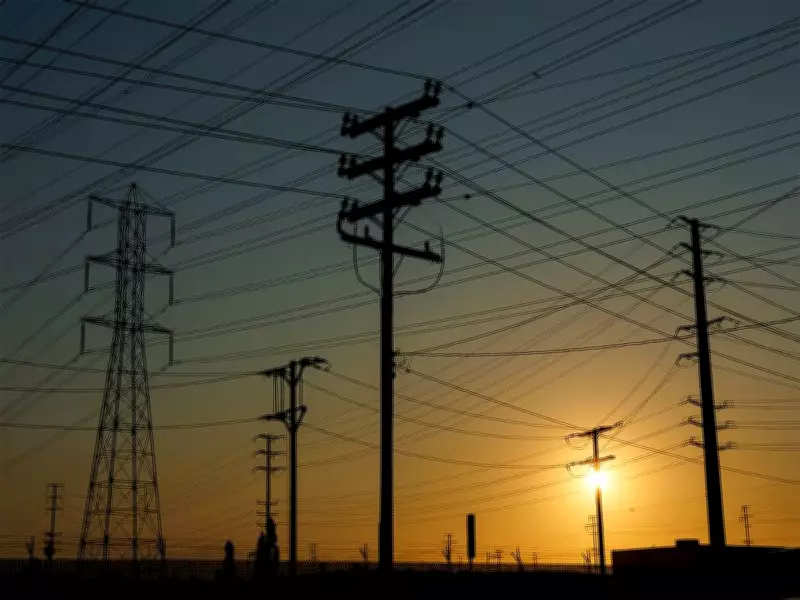
Lahore, the cultural capital of Pakistan, is witnessing a surge in public anger as residents grapple with skyrocketing electricity bills and frequent power outages. The situation has escalated in recent weeks, with many citizens taking to the streets to protest against the rising cost of living and the poor quality of service provided by the power distribution companies.
Mounting Frustration Over Electricity Costs
The increase in electricity tariffs, coupled with the imposition of additional taxes and surcharges, has left many households struggling to pay their bills. According to local reports, some residents have received bills that are two to three times higher than their usual monthly charges. This has placed an immense financial burden on low- and middle-income families, who are already dealing with inflation and economic hardship.
“I used to pay around 3,000 rupees per month, but now my bill has jumped to 8,000 rupees. It’s impossible to manage,” said Muhammad Usman, a resident of the Gulberg area. Similar sentiments are echoed across the city, with many accusing the government of failing to address the crisis.

Frequent Power Cuts Add to the Woes
In addition to high bills, residents are also enduring unscheduled power cuts that last for hours, especially during the hot summer months. The outages disrupt daily life, affecting everything from household chores to business operations. Small shopkeepers and vendors are particularly hard-hit, as they rely on electricity to run their businesses.
“We have to deal with load-shedding for six to eight hours a day. It’s affecting my sales and I can’t afford to run a generator all the time,” complained Ahmed Raza, a shop owner in the Anarkali Bazaar.
Protests and Demands for Action
In response to the deteriorating situation, several civil society groups and political parties have organized protests in different parts of Lahore. Demonstrators have gathered outside the Lahore Electric Supply Company (LESCO) offices, demanding a reduction in tariffs and an end to unannounced power cuts. Some protesters have also called for the resignation of LESCO officials.
“We will not stop until our demands are met. The government must take immediate steps to provide relief to the people,” said a protest leader during a rally in the Liberty Chowk area.
Government Response
The Punjab government has acknowledged the public outcry and announced a subsidy for consumers using up to 200 units of electricity per month. However, critics argue that this measure is insufficient, as most households consume more than 200 units. The federal government has also formed a committee to investigate the billing issues and power outages, but no concrete timeline for resolution has been provided.
Meanwhile, the power distribution company has blamed the increase in bills on higher fuel costs and the devaluation of the Pakistani rupee. LESCO officials have urged consumers to report any billing discrepancies through their helpline.
Looking Ahead
As the summer heat intensifies, the demand for electricity is expected to rise further, potentially worsening the crisis. Residents are calling for long-term solutions, including investment in renewable energy and improvements to the power grid infrastructure. Until then, the people of Lahore continue to bear the brunt of a system that many describe as both inefficient and unjust.






