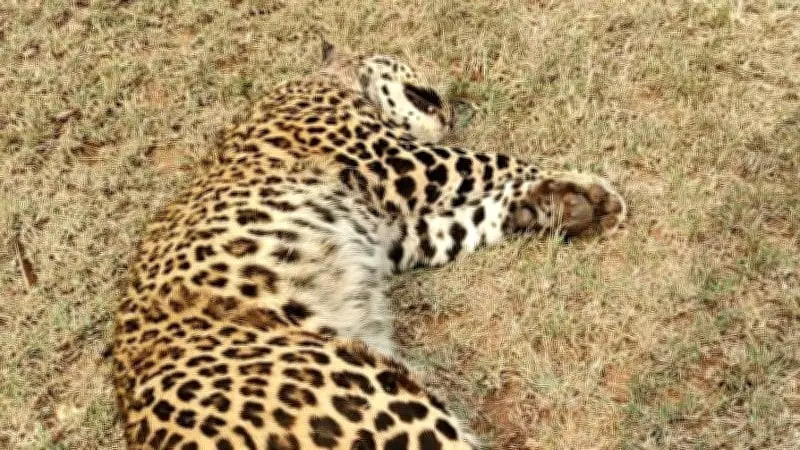
Leopard Fatally Injured in Encounter with Porcupine at Bandipur Tiger Reserve
A leopard has tragically died after a violent confrontation with a porcupine in the buffer zone of the Bandipur Tiger Reserve in Karnataka. The incident underscores the intense and often deadly interactions between wildlife species in India's protected forest areas.
Details of the Fatal Wildlife Conflict
Forest officials discovered the body of the adult leopard in the buffer zone, which is a designated area surrounding the core tiger reserve aimed at reducing human-wildlife conflicts. Preliminary investigations indicate that the leopard sustained severe injuries, likely from porcupine quills, during the fight. These wounds proved fatal, leading to the animal's death. The buffer zone, while offering some protection, is still a hotspot for such natural skirmishes as animals compete for resources and territory.
Significance of the Bandipur Tiger Reserve Buffer Zone
The Bandipur Tiger Reserve, located in the southern state of Karnataka, is part of the Nilgiri Biosphere Reserve and is renowned for its rich biodiversity. The buffer zone plays a critical role in conservation efforts by:

- Providing a transitional area between the core reserve and human settlements.
- Helping mitigate conflicts between wildlife and local communities.
- Supporting the movement and habitat of various species, including leopards and porcupines.
This incident highlights the challenges faced by wildlife even in these protected buffers, where natural predation and defense mechanisms can lead to fatal outcomes.
Broader Implications for Wildlife Conservation
Fights between predators like leopards and prey such as porcupines are not uncommon in Indian forests, but they often go unreported unless they result in notable deaths. Porcupines, equipped with sharp quills as a defense mechanism, can inflict serious harm on attackers. This case serves as a reminder of the raw and unpredictable nature of wildlife interactions. Conservationists emphasize the need for continuous monitoring and research to better understand these dynamics and protect vulnerable species. The death of this leopard may prompt further studies on predator-prey relationships and habitat management in buffer zones to prevent similar incidents.
Forest authorities have confirmed the incident and are conducting a thorough examination to gather more details. They urge the public to respect wildlife boundaries and report any unusual sightings to help in conservation efforts. This event adds to the ongoing discourse on balancing ecosystem preservation with the inherent risks animals face in their natural environments.