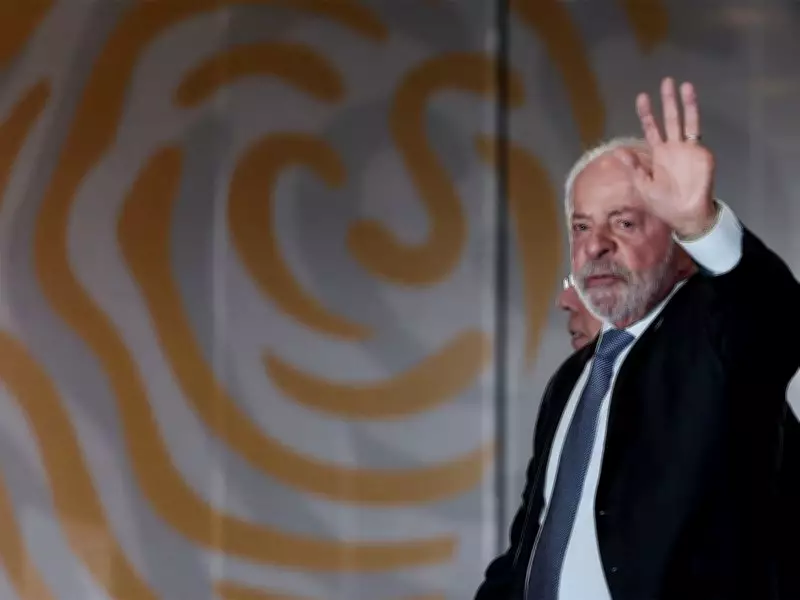
Brazilian President Luiz Inacio Lula da Silva has revealed that during a meeting with former U.S. President Donald Trump in Washington, he handed over a copy of the 2010 nuclear agreement brokered by Brazil and Turkey with Iran. The disclosure came during a press conference in Brasilia, where Lula discussed his foreign policy approach and the importance of diplomatic engagement.
Background of the 2010 Agreement
In 2010, Brazil and Turkey negotiated a deal with Iran aimed at easing international concerns over Tehran's nuclear program. The agreement proposed that Iran ship low-enriched uranium to Turkey in exchange for fuel for a research reactor. However, the deal was ultimately rejected by the United Nations Security Council, which imposed additional sanctions on Iran.
Lula's Meeting with Trump
Lula stated that during his meeting with Trump, he emphasized the need for dialogue and presented the 2010 agreement as a potential framework for resolving the Iran nuclear issue. According to Lula, Trump appeared interested but did not commit to any specific action. The meeting took place in Washington, though Lula did not specify the exact date.

Lula's Diplomatic Vision Lula has consistently advocated for multilateralism and peaceful resolutions to international conflicts. He criticized the U.S. withdrawal from the Joint Comprehensive Plan of Action (JCPOA) in 2018, which he argued undermined global non-proliferation efforts. By referencing the 2010 deal, Lula signals his intent to revive Brazil's role as a mediator in global affairs.
Reactions and Implications
The revelation has sparked mixed reactions. Some analysts view it as a strategic move by Lula to position Brazil as a key player in international diplomacy, while others question the timing given the current stalemate in Iran nuclear talks. The U.S. State Department has not officially commented on Lula's statement.
Lula's remarks come amid ongoing negotiations to revive the JCPOA, which have faced significant hurdles. By invoking the 2010 agreement, Lula highlights the potential for alternative diplomatic pathways. However, critics argue that the 2010 deal was flawed and failed to address key concerns about Iran's nuclear ambitions.
Brazil's Role in Global Diplomacy
Under Lula's leadership, Brazil has sought to enhance its influence on the world stage. The country has been involved in various peacekeeping missions and has advocated for reform of international institutions. Lula's mention of the 2010 deal underscores his commitment to using diplomatic channels to resolve conflicts, particularly those involving nuclear proliferation.
In conclusion, Lula's disclosure about handing Trump the 2010 Brazil-Turkey-Iran nuclear agreement reflects his ongoing efforts to promote dialogue and multilateralism. While the impact of this gesture remains uncertain, it reinforces Brazil's aspirations to be a significant player in global diplomacy.