

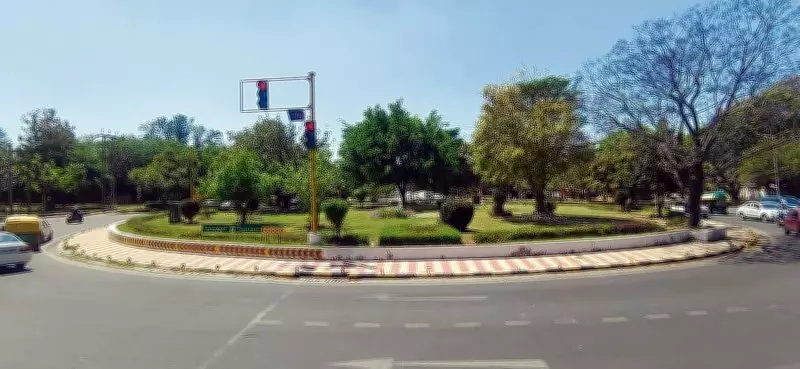
The Municipal Corporation of Manesar (MCM) has unveiled an ambitious plan to transform the city along the lines of Chandigarh's renowned landscaped urban design. Over the next six months, the initiative aims to create greener roads, aesthetically designed roundabouts, improved air quality, and smarter civic infrastructure.
Redesigned Roundabouts and Green Belts
Under the plan, major roundabouts on roads maintained by the Haryana Shahari Vikas Pradhikaran (HSVP) will be redesigned to resemble Chandigarh's iconic traffic circles, known for their lush landscaping and organized urban character. Municipal officials stated that the revamp is intended to enhance both the city's visual appeal and traffic management.
A key component of the project is the development of nearly 35 kilometers of green belts across Manesar. These stretches will be created through public-private partnerships and corporate social responsibility (CSR) funding. Industries operating in the region are encouraged to participate in the city's greening drive. Treated water from sewage treatment plants will be used for irrigation and maintenance of the green corridors, reducing pressure on freshwater resources.

Anti-Smog Infrastructure and Smart City Upgrades
To tackle dust pollution, a major concern in the rapidly industrializing city, the civic body plans to install anti-smog infrastructure, including anti-smog towers and enhanced dust-control measures. Officials also announced the deployment of CCTV surveillance systems and the establishment of an integrated command and control center for better monitoring of civic services and public spaces.
The proposed makeover comes as Manesar continues to evolve from an industrial township into a major urban center within the Gurugram region. Civic authorities believe the Chandigarh-inspired model will help improve quality of life, boost environmental sustainability, and create a more organized urban landscape for residents and investors alike.
Implementation of the project is expected to begin shortly, with the first visible changes likely to emerge within the next six months, provided CSR partnerships and funding commitments are finalized on schedule.






