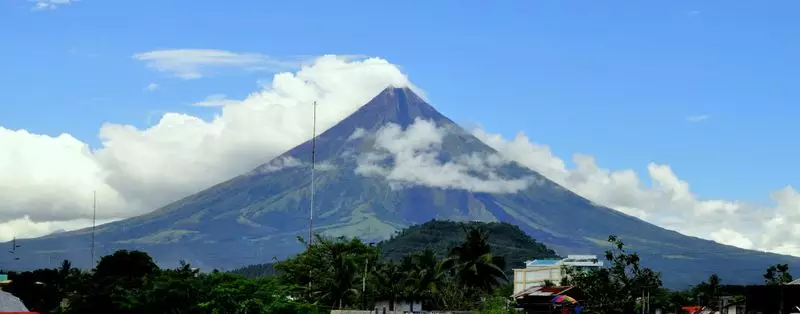
The Philippines was forced to initiate a major evacuation on Sunday after the iconic Mayon Volcano exhibited heightened signs of unrest. The restive volcano, known for its perfect cone shape, began spewing incandescent lava and a towering column of ash, prompting authorities to move swiftly to protect nearby communities.
Escalating Activity Triggers Mass Evacuation
The Philippine Institute of Volcanology and Seismology (PHIVOLCS) reported that the volcano started a slow effusion of lava from the summit crater late Sunday. This event was followed by at least two volcanic earthquakes and numerous rockfall events. In response, the alert level for Mayon was raised to Level 3 on a five-tier scale, indicating an increased tendency towards a hazardous eruption.
This escalation led to the immediate evacuation of residents living within the six-kilometre radius Permanent Danger Zone. According to the Albay provincial disaster management agency, over 3,000 villagers from multiple towns were relocated to emergency shelters. Officials have stated that the number of evacuees is expected to rise as operations continue.

Authorities Warn of Heightened Risks
PHIVOLCS has issued stern warnings to the public. The agency emphasised that the six-kilometre radius danger zone should remain strictly off-limits due to the imminent threat of pyroclastic density currents, lava flows, and rockfalls. Furthermore, areas extending to a seven-kilometre radius from the crater on the southern flank are advised to be vigilant for potential hazards.
Civil aviation authorities have also been alerted to advise pilots to avoid flying close to the volcano's summit, as any sudden eruption could eject ash and debris into flight paths, posing a severe risk to aircraft.
The provincial government of Albay has mobilised all necessary resources. Cedric Daep, head of the Albay Public Safety and Emergency Management Office, confirmed that evacuation centres are being prepared with food packs and essential supplies to accommodate the displaced families.
History and Context of Mayon's Unrest
Mayon Volcano, located in Albay province about 330 kilometres southeast of Manila, is the most active volcano in the Philippines. Its history is marked by frequent eruptions, with the last major one occurring in 2018, which also led to massive evacuations. The volcano's picturesque symmetry belies its destructive potential, having buried entire towns in catastrophic eruptions in the past.
The current activity serves as a stark reminder of the volatile geological landscape of the Philippine archipelago, which sits on the Pacific "Ring of Fire," a region prone to earthquakes and volcanic eruptions. The government's rapid response highlights the well-drilled disaster preparedness protocols in a region accustomed to such natural threats.
As of now, scientists are closely monitoring Mayon's parameters, including sulfur dioxide emissions, seismic activity, and ground deformation. The situation remains dynamic, and authorities have assured the public that they are prepared to raise the alert level further to Level 4 if the volcano shows signs of intensifying towards a more violent, explosive eruption.