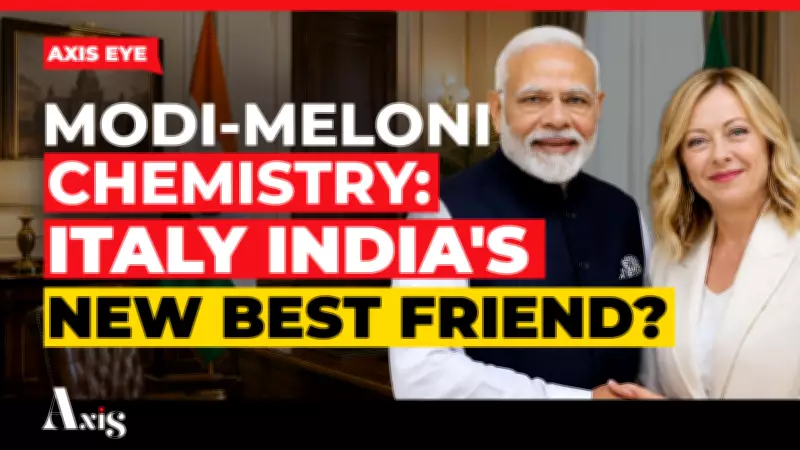
The internet first noticed their chemistry. Clips of Prime Minister Narendra Modi and Italian Prime Minister Giorgia Meloni sharing warm, unscripted moments at multilateral summits accumulated millions of views. However, while the world focused on the smiles, India was constructing an architecture. A corridor. A cable. A trade deal that could shape India's next decade. Washington is unpredictable. Beijing is strategically complicated. Moscow is geopolitically diminished. In that void, Europe — and Italy in particular — has emerged as India's most significant new bet.
The IMEC Corridor and Infrastructure
The India-Middle East-Europe Corridor (IMEC) anchors Italy as Europe's gateway to the Indo-Pacific. A fiber-optic cable now connects Indian servers to the port of Genoa, enhancing digital connectivity. Bilateral trade has crossed $16.77 billion, reflecting robust economic engagement.
Major Investments and Deals
Tata's $3.8 billion acquisition of Iveco made history, marking one of the largest Indian investments in Italy. Prime Minister Modi is also pushing aggressively for the India-European Union Free Trade Agreement, which could further boost trade and investment flows.

Strategic Implications
The Modi-Meloni bond is not merely a photo opportunity; it represents foreign policy in motion. As global powers realign, Italy offers India a reliable partner in Europe. The warmth between the two leaders has translated into tangible outcomes, from infrastructure projects to defense cooperation.
Future Prospects
With the IMEC corridor and enhanced digital links, India and Italy are poised to deepen their partnership. The India-EU FTA remains a key priority, and the personal rapport between Modi and Meloni could help overcome negotiating hurdles. As India seeks to diversify its strategic partnerships, Italy stands out as a pivotal ally.