The St Lucia racer is one of the rarest snakes in the world, found exclusively on a small island near Saint Lucia. Once common across the region, this harmless snake's population declined sharply due to invasive predators like rats and mongooses. Conservation efforts have helped preserve the species, but sightings remain extremely rare. Here are five characteristics to identify this critically endangered reptile.
Slender Body with Distinctive Stripes
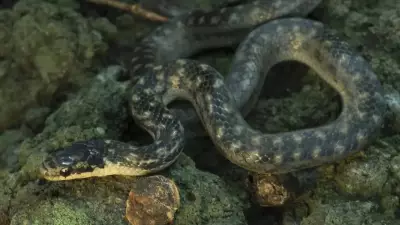
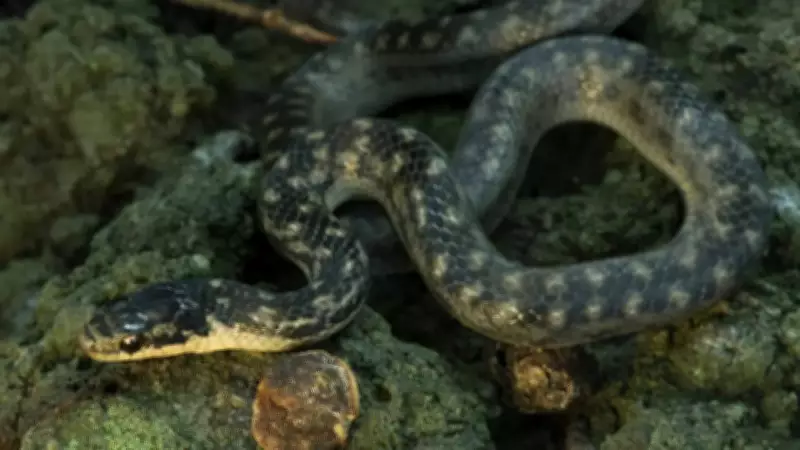
The St Lucia racer has a slim body with distinctive stripe-like patterns. Its coloration is typically olive-grey or brownish, with light yellow or cream lines running along the body. This helps the snake blend into dry vegetation, rocky terrain, and other natural backgrounds. Unlike many tropical snakes, it lacks bright colors and conspicuous patterns.
Smaller Size Compared to Other Snakes
This species is much smaller than many other snakes, not exceeding a few feet in length. It has a delicate, lightweight appearance with an elegant, streamlined shape. Its slim body allows it to move swiftly while searching for food and shelter.

Limited and Unique Habitat
The St Lucia racer is native only to one small offshore island near Saint Lucia. It prefers specific natural settings such as dry forests, rocky coastal landscapes, and areas with ample hiding spots. Due to its restricted range, conservation teams closely monitor its ecosystem.
Shy and Harmless Behavior
This snake is non-venomous and harmless to humans. It is fast-moving and secretive, typically vanishing into rocks or thick vegetation when disturbed. Unlike aggressive species, the St Lucia racer avoids confrontation.
Conservation Success Story
Invasive animals caused a rapid decline in the St Lucia racer population. However, effective conservation programs have allowed the species to survive to the present day. Continued efforts are crucial to protect this rare snake from extinction.
Disclaimer: This article is for general informational and educational purposes only. Details are based on publicly available wildlife research and conservation reports. Sightings are extremely rare; never attempt to approach, capture, or disturb wild snakes or their habitats. Conservation status may change over time. Always rely on official wildlife authorities for verified information.