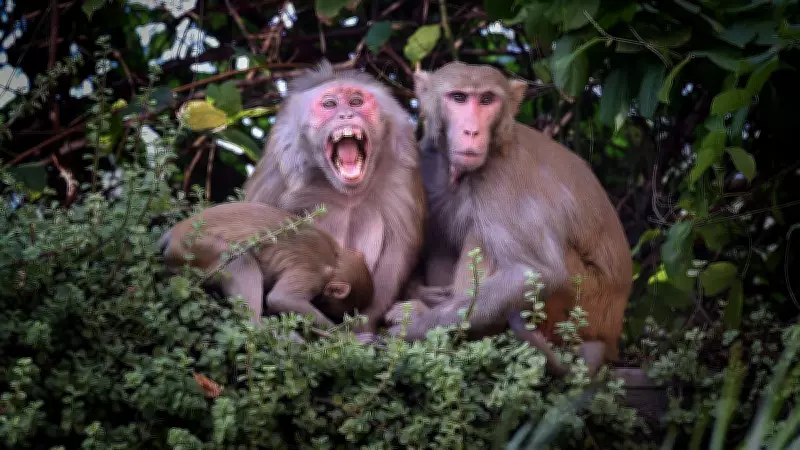
The monkey menace in Bengaluru has created a rift among apartment residents, as documents reveal that the forest department has authorized the relocation of monkeys in several complexes over the past few months. In one particular apartment complex, between 40 and 60 monkeys were relocated, highlighting the scale of the issue.
Divided Opinions Among Residents
Residents are split on how to handle the growing monkey population. Some argue that the animals pose a threat to safety and property, damaging gardens and entering homes in search of food. Others, however, advocate for coexistence and oppose relocation, citing ethical concerns and the potential harm to the monkeys.
Forest Department's Role
The forest department has stepped in to manage the situation, issuing permits for relocation. According to documents, this process has been ongoing for several months, with multiple apartments seeking authorization. The relocation involves capturing the monkeys and moving them to designated forest areas.

Despite these efforts, the problem persists. Residents report that new monkeys often move in after others are relocated, leading to a cycle of conflict. Some apartment associations have proposed alternative solutions, such as installing barriers and educating residents not to feed the monkeys.
Community Tensions Rise
The disagreement has led to tensions within communities. In some cases, residents have filed complaints against each other, with one group demanding action and another blocking relocation attempts. The issue has even reached local authorities, who are now considering stricter regulations.
As Bengaluru continues to urbanize, encounters with wildlife are becoming more common. The monkey menace is just one example of the challenges that arise when human habitats encroach on natural territories. Finding a sustainable solution remains a pressing concern for the city.