

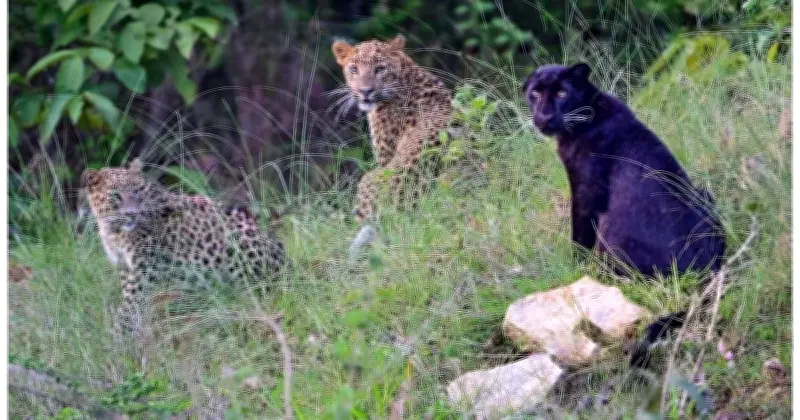
A Mother Leopard's Year-Long Journey Raising Cubs in Karnataka Reserve
Over the course of more than a year, through regular morning and evening safaris, I had the unique privilege of observing a mother leopard as she raised her cubs in the ever-changing landscape of a Karnataka reserve. As a naturalist stationed at this protected area, my daily routines were transformed into a profound study of feline family dynamics and survival strategies.
Daily Observations of Feline Family Life
The mother leopard demonstrated remarkable dedication and skill in nurturing her offspring. Each safari revealed new layers of her teaching methods, from hunting techniques to territorial awareness. The cubs, initially clumsy and dependent, gradually evolved under her watchful eye, learning to navigate the complex environment of the reserve.
The changing landscape presented both challenges and opportunities for this leopard family. Seasonal shifts, human activity on the periphery, and interactions with other wildlife species all played a role in shaping their daily existence. The mother adapted her lessons accordingly, ensuring her cubs developed the resilience needed to thrive.

Sibling Dynamics and Developmental Milestones
One particularly memorable scene involved two of the siblings lounging on a tree branch, a moment captured by photographer Kiran Patil. This image symbolizes the cubs' growing confidence and mastery of their arboreal habitat. Such resting periods were interspersed with intense training sessions where the mother would demonstrate stalking, pouncing, and other essential predatory behaviors.
The bond between the mother and her cubs was palpable throughout the observation period. She balanced discipline with affection, often engaging in playful interactions that strengthened their coordination and social bonds. These moments provided crucial insights into leopard behavior that go beyond textbook descriptions.
Implications for Wildlife Conservation and Research
This extended observation contributes valuable data to wildlife conservation efforts in Karnataka and beyond. Understanding how leopards adapt their parenting strategies in response to environmental changes can inform habitat management and protection policies. The naturalist's detailed account underscores the importance of long-term, patient fieldwork in ecological studies.
The experience highlights the delicate balance between wildlife and human presence in reserve areas. As development pressures mount, documenting such intimate animal narratives becomes increasingly vital for advocating sustainable coexistence. The mother leopard's lessons extend not just to her cubs, but to all who witness the resilience of nature in protected spaces.






