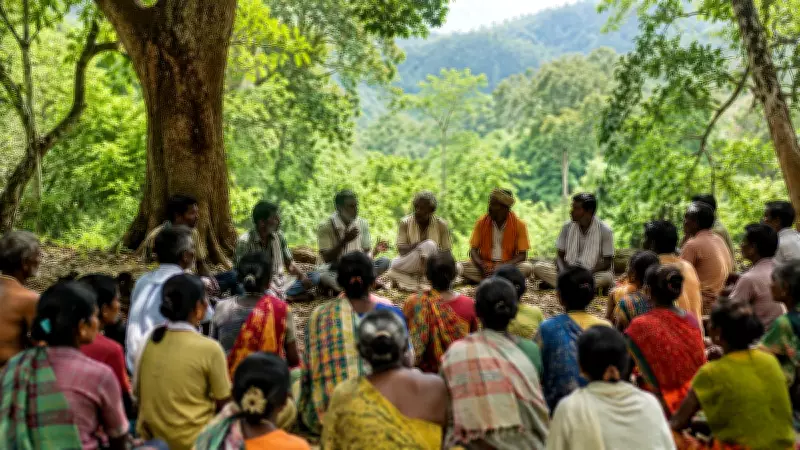
Adivasi communities in Nagarahole, Karnataka, have renewed their demand for recognition of ancestral forest lands, asserting their rights under the Forest Rights Act. The declaration comes a year after 52 families entered the Nagarahole forests to reclaim their ancestral rights over Karadikallu Attur Kolli.
Background of the Land Rights Movement
The movement, led by local adivasi groups, seeks to secure 'Jamma' land rights, which recognize traditional ownership and use of forest resources. The families have been advocating for the implementation of the Forest Rights Act, 2006, which grants legal recognition to the rights of forest-dwelling communities.
Key Demands of the Adivasis
- Legal recognition of ancestral land claims under the Forest Rights Act
- Issuance of pattas (land titles) for individual and community forest lands
- Protection from eviction and displacement
- Access to forest resources for livelihood and cultural practices
The adivasis argue that the forest lands have been their ancestral home for generations, and they have been unjustly denied legal rights. They emphasize that the Forest Rights Act was enacted to rectify historical injustices faced by forest-dwelling communities.

Government Response and Challenges
The Karnataka government has acknowledged the claims but has cited administrative and legal hurdles in processing them. Forest department officials have expressed concerns about potential encroachments and impact on wildlife conservation in the Nagarahole Tiger Reserve.
However, the adivasis maintain that their traditional practices are sustainable and compatible with forest conservation. They point to successful examples from other states where community forest rights have been granted without harming wildlife.
Legal and Social Implications
The demand for land rights in Nagarahole has broader implications for tribal communities across India. The Forest Rights Act aims to empower forest-dwelling communities by recognizing their rights to land and resources. However, implementation has been slow due to bureaucratic apathy and conflicts with conservation laws.
The adivasis have vowed to continue their struggle until their rights are recognized. They have called for support from civil society and human rights organizations to pressurize the government to act.
As the movement gains momentum, it highlights the ongoing tension between conservation efforts and the rights of indigenous communities. The outcome of this struggle could set a precedent for similar claims in other forest areas.