

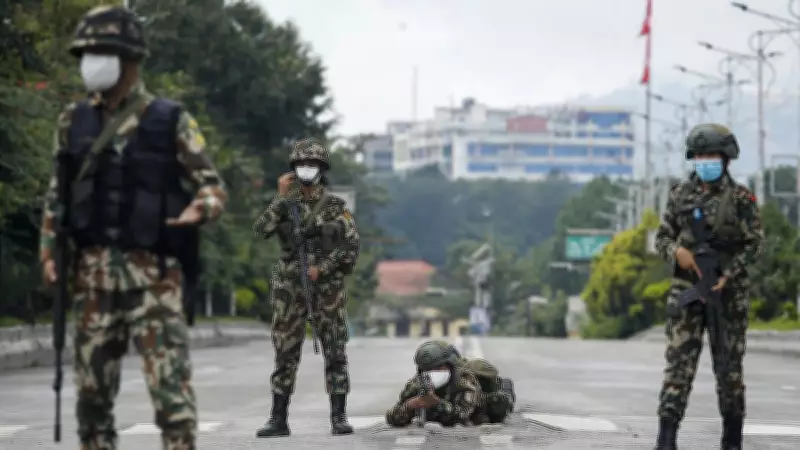
Nepal Government to Deploy Army for March 5 Elections Starting Wednesday
The government of Nepal has announced a significant security measure ahead of the upcoming elections, with plans to deploy the army starting this Wednesday. This move is part of the House of Representatives Election Integrated Security Plan, aimed at strengthening the law and order situation during the electoral process scheduled for March 5.
Enhanced Security Measures for Election Integrity
In preparation for the March 5 elections, the Nepal government is taking proactive steps to ensure a smooth and secure voting environment. The deployment of the army is a key component of this strategy, reflecting the authorities' commitment to maintaining peace and stability throughout the election period. The integrated security plan is designed to coordinate various security forces, including the army, to prevent any disruptions or violence that could undermine the democratic process.
This decision comes as Nepal prepares for a crucial political event, with the House of Representatives elections being a pivotal moment for the nation's governance. By implementing this plan, the government aims to foster public confidence in the electoral system and ensure that citizens can exercise their voting rights without fear or intimidation.

Timeline and Implementation Details
The army deployment is set to commence on Wednesday, marking the beginning of heightened security operations across the country. The integrated security plan outlines specific roles and responsibilities for the army and other security agencies, focusing on areas such as:
- Polling Station Security: Ensuring the safety of voters and election officials at polling locations.
- Patrol and Surveillance: Conducting regular patrols and monitoring activities to deter potential threats.
- Emergency Response: Being prepared to respond swiftly to any incidents that may arise during the election period.
This coordinated effort is expected to enhance the overall security framework, addressing concerns related to political tensions or external interference. The government has emphasized that the deployment is a precautionary measure, intended to support the democratic process rather than impose restrictions on civil liberties.
Context and Implications for Nepal's Democracy
The decision to deploy the army underscores the importance of the March 5 elections in Nepal's political landscape. As the country continues to navigate its democratic journey, ensuring free and fair elections is paramount. The integrated security plan represents a comprehensive approach to election management, balancing security needs with the principles of transparency and inclusivity.
Observers note that such measures are common in regions with a history of electoral challenges, and Nepal's proactive stance could set a positive precedent for future elections. By involving the army, the government aims to provide a robust security net that complements the efforts of local law enforcement agencies.
As the election date approaches, all eyes will be on Nepal to see how these security measures unfold and contribute to a peaceful and credible electoral outcome. The success of this plan could have lasting implications for the nation's stability and democratic governance.






