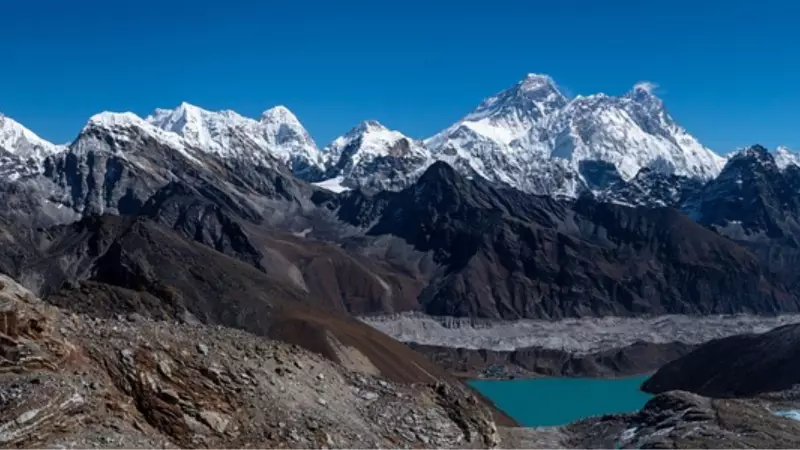
In a significant policy shift, Nepal has officially terminated its much-touted refundable waste deposit scheme for Mount Everest climbers, admitting its failure to tackle the growing garbage crisis on the world's highest peak. The scheme, which required a $4000 deposit refundable upon bringing back 8 kg of waste, has been scrapped after over a decade of ineffective implementation.
Why the $4000 Deposit Model Failed Miserably
The core idea was simple: incentivise climbers to clean up by tying a cash refund to waste removal. However, the execution was flawed from the start. The primary issue was the lack of monitoring and verification at critical high-altitude points. With no checkpoints above the treacherous Khumbu Icefall, authorities could not track where waste was being collected or dumped.
This loophole led to climbers gaming the system. Most opted to collect the mandated 8 kg of "easy trash"—readily available waste from lower, cleaner camps—instead of venturing to the more dangerous, garbage-strewn areas near the summit. Given that a single climber is estimated to generate around 12 kg of waste during a typical six-week expedition, the 8 kg requirement still left a significant surplus of trash on the mountain. Officials from Nepal's tourism ministry confirmed to the BBC that most deposits were refunded over the years, meaning the scheme did little for the overall clean-up.

The New Five-Year Clean Mountain Strategy: A Last-Ditch Effort?
Replacing the old scheme is a comprehensive Clean Mountain Strategy (2025-2029), launched last month following a Supreme Court order to regulate climber numbers and prevent Everest from becoming a permanent garbage dump. The new plan takes a more direct financial and enforcement-based approach.
Key components of the new strategy include:
- A specialised team of "Mountain Rangers" to monitor waste management at Base Camp and higher camps.
- The use of drones to collect waste from extreme altitudes.
- A mandatory GPS-based tracking system for climbers.
- A revised fee structure where climbers must pay a refundable garbage deposit AND a separate, non-refundable $4000 environmental fee, which will flow into a permanent Mountain Welfare Fund, adhering to the "polluter pays" principle.
However, industry experts are sceptical, calling the plan "too late." Dambar Parajuli, President of the Expedition Operators Association Nepal, revealed that a modest $100 non-refundable fee per climber was proposed as far back as 2010. Had it been implemented, the fund would have already exceeded the Rs 1 billion that experts now estimate is the minimum required for the new five-year plan.
Higher Permit Fees and Stricter Guide Rules
Concurrently, Nepal has also substantially increased climbing permit costs. The fee for a standard Everest climbing permit has been raised from $11,000 to $15,000. Permits for the autumn season now cost $7,500, while winter and monsoon permits are priced at $2,750.
Furthermore, stricter safety and oversight measures have been enforced. A 1:2 guide-to-climber ratio is now mandatory for peaks above 8,000 metres, meaning every two climbers must hire one guide. For mountains below 8,000 metres, the ratio is one guide for every fifteen climbers. Himal Gautam, director at Nepal's Department of Tourism, stated that the issuance of autumn climbing permits has already begun under these new rates.
The success of this multi-pronged strategy—combining higher costs, better technology, and on-ground enforcement—remains to be seen. It represents Nepal's latest and most ambitious attempt to reclaim the sanctity of Sagarmatha from the ever-growing piles of oxygen cylinders, tents, and food containers that litter its slopes.