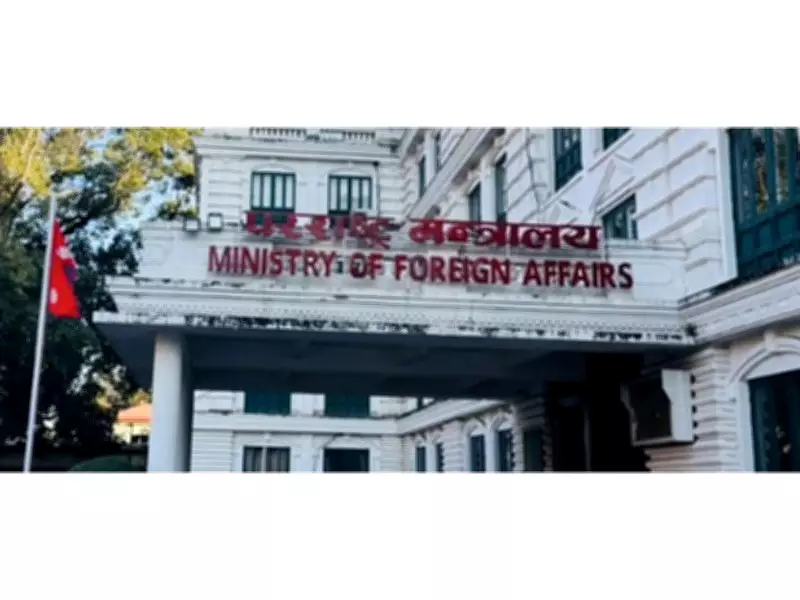
Nepal has taken a significant step towards reforming its diplomatic service by shifting to a merit-based system for selecting ambassadors. In a historic move, the government has issued a public call for applications for ambassadorial positions, marking a departure from the long-standing practice of political appointments.
Breaking Away from Tradition
For decades, ambassadorial posts in Nepal were often handed out as rewards for political loyalty or as a means to accommodate party loyalists. This system frequently led to the appointment of individuals with limited diplomatic experience, raising questions about the effectiveness of Nepal's foreign representation. The new approach aims to professionalize the selection process by focusing on qualifications, experience, and merit.
Details of the New Process
The Ministry of Foreign Affairs has invited applications from eligible Nepali citizens, including those from the private sector, academia, and civil society. Candidates must meet specific criteria, such as a minimum of 15 years of professional experience in relevant fields, a master's degree, and a strong understanding of international relations. The selection will involve a rigorous evaluation by a committee, which will assess candidates based on their expertise, leadership skills, and vision for Nepal's foreign policy.

This reform is seen as a response to growing criticism of Nepal's diplomatic corps, which has been accused of inefficiency and lack of professionalism. By opening the process to a wider pool of talent, the government hopes to enhance the country's image abroad and better serve its national interests.
Reactions and Implications
The decision has been widely welcomed by political analysts and the public. Many view it as a crucial step towards depoliticizing key institutions and promoting good governance. However, some have expressed concerns about the implementation, noting that political interference could still undermine the process. The government has assured that the selection will be transparent and based solely on merit.
This shift could have far-reaching implications for Nepal's foreign relations. With more qualified diplomats, Nepal may be better positioned to navigate complex geopolitical dynamics, attract foreign investment, and advocate for its interests on the global stage. The move also aligns with broader trends in South Asia, where countries like India and Bangladesh have increasingly emphasized merit-based appointments in their diplomatic services.
As Nepal embarks on this new path, the world will be watching to see if this reform translates into tangible improvements in its diplomatic engagement. The success of this initiative could set a precedent for other sectors, encouraging further reforms in the country's governance structures.