

Scientists Uncover Two New Army Ant Species in Karnataka
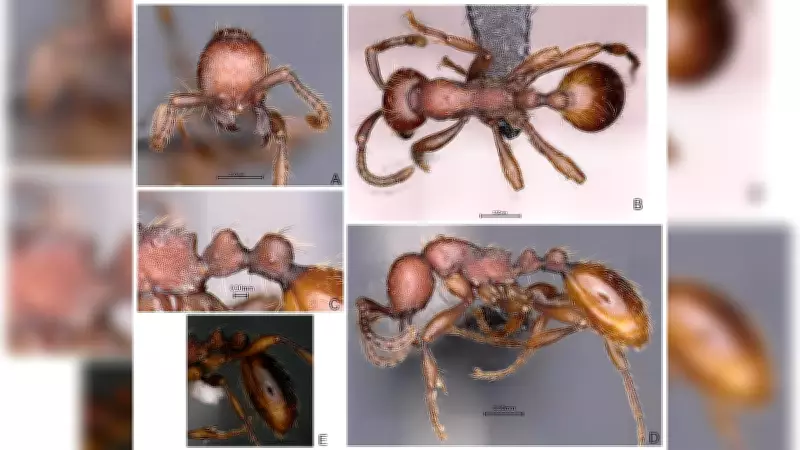
In a groundbreaking development for entomology, researchers have discovered two new species of army ants in the state of Karnataka, India. These insects, often referred to as the "big cats of the insect world" due to their aggressive hunting tactics and social structure, represent a significant addition to the known biodiversity of the region. The discovery highlights the rich and often unexplored insect life in India's diverse ecosystems.
Details of the Discovery
The new ant species were identified through meticulous field studies and genetic analysis conducted by a team of scientists. Found in the forested areas of Karnataka, these ants exhibit typical army ant characteristics, such as nomadic behavior, large colony sizes, and coordinated predation on other insects and small invertebrates. Their discovery underscores the importance of continued biological surveys in India's natural habitats, which may harbor many undiscovered species.
Significance for Biodiversity and Research
This finding is not just a taxonomic milestone but also has broader implications for conservation and ecological studies. Army ants play a crucial role in their ecosystems as top predators, helping to control insect populations and maintain ecological balance. The identification of new species in Karnataka suggests that the region's insect diversity is more complex than previously thought, warranting further research and protection efforts.

Key features of the newly discovered ants include:
- Distinct morphological traits that differentiate them from known army ant species.
- Behavioral patterns aligned with their "big cat" nickname, involving swift and efficient hunting.
- Potential adaptations to the local environment of Karnataka's forests.
Scientists emphasize that such discoveries are vital for understanding insect evolution and the impacts of environmental changes. As India continues to develop, preserving these natural habitats becomes increasingly important to safeguard its unique wildlife.






