

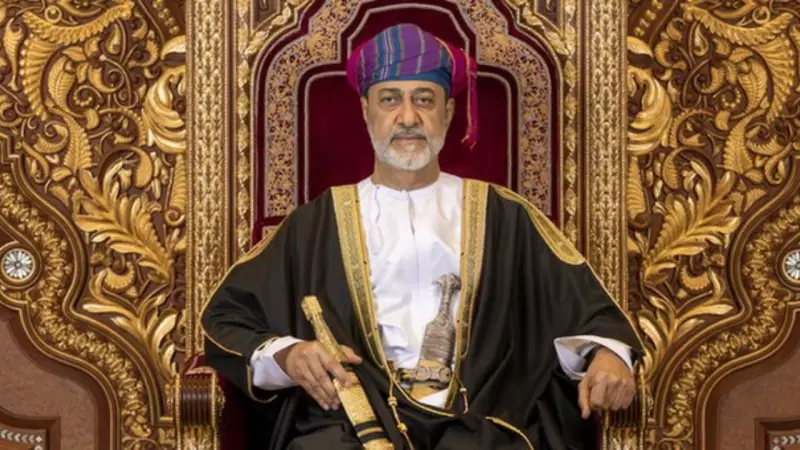
In a significant act of mercy coinciding with national celebrations, His Majesty Sultan Haitham bin Tarik of Oman has granted freedom to 334 prisoners. The royal pardon, issued to mark the anniversary of the Sultan's accession to the throne on January 11, underscores a deep-seated tradition of clemency in the Gulf nation.
A Gesture Rooted in Compassion and Tradition
The Royal Oman Police officially confirmed the widespread pardon, which covers inmates convicted of a range of crimes across the Sultanate. The decision is not merely a legal formality but is deeply considerate of the social and family circumstances of those incarcerated. This thoughtful approach aims to provide substantial relief not only to the prisoners themselves but also to their families, who are directly impacted by their absence.
An Inclusive Pardon Without Borders
Reflecting Oman's inclusive and humanitarian ethos, the list of beneficiaries is notably diverse. It includes both Omani citizens and foreign expatriates, with no restrictions based on nationality or the specific nature of the offenses committed. This broad scope highlights the Sultan's focus on forgiveness and second chances as universal principles.

Authorities have directly linked this benevolent act to the national celebrations for Accession Day, a key date commemorating Sultan Haitham bin Tarik's rise to power. Such pardons are a cherished tradition in Oman, where rulers often extend grace during important national and religious occasions, reinforcing the bond between the leadership and the people.
A Fresh Start and Reinforced Principles
For the 334 individuals receiving this unexpected reprieve, the royal decree represents far more than just release from confinement. It offers a pivotal opportunity for reintegration into society and a chance to build a new, productive life. The move powerfully reinforces the Sultan's well-known commitment to humanitarian principles and his dedication to the overall well-being of all residents within Oman's borders.
This act of state clemency continues a legacy where moments of national joy are shared by extending compassion to those who have erred, emphasizing rehabilitation and social harmony over mere punishment.






