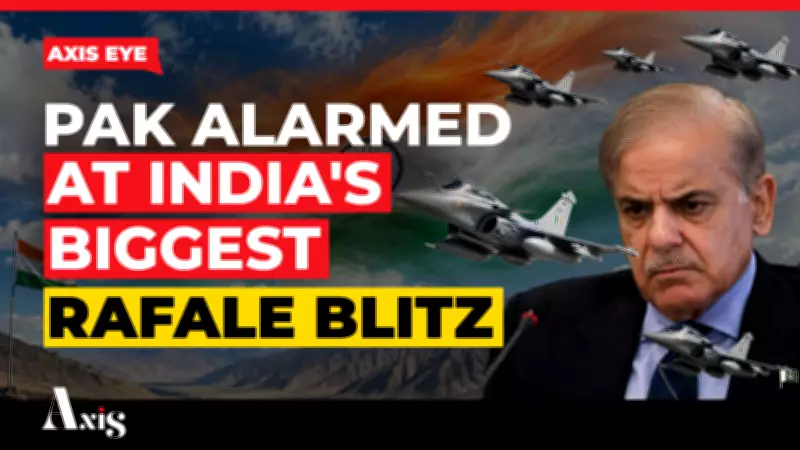
India is preparing for one of the biggest fighter jet deals in modern military history — 114 Rafale fighter jets from France, with around 90 expected to be built locally under a massive Make In India defence push. The move comes after the Rafale became the face of Operation Sindoor, where India used SCALP missiles and HAMMER bombs to strike terror targets inside Pakistan and PoK with pinpoint precision. Pakistan is now watching closely as India rapidly expands its air power capabilities. Islamabad is simultaneously negotiating more Chinese J-10CE fighter jets in an attempt to counter India’s growing Rafale fleet. But this story is bigger than aircraft numbers. It is about technology transfer, indigenous defence manufacturing, air superiority and India’s long-term military strategy against both Pakistan and China. From Dassault to Tata, from Sindoor to strategic deterrence, this report breaks down why the Rafale expansion is changing South Asia’s geopolitical and military balance permanently.
Key Highlights of the Deal
The agreement involves 114 Rafale jets, with approximately 90 to be manufactured in India by Tata Advanced Systems in partnership with Dassault Aviation. This marks a significant leap in India's indigenous defence production capabilities. The deal includes technology transfer for critical components, enhancing India's self-reliance in aerospace manufacturing.
Operation Sindoor and Rafale's Role
During Operation Sindoor, Rafale jets demonstrated exceptional precision strike capabilities using SCALP cruise missiles and HAMMER bombs against terrorist hideouts in Pakistan and Pakistan-occupied Kashmir. This operation showcased the Rafale's combat effectiveness and solidified its reputation as a game-changer in regional air power dynamics.

Pakistan's Response
Islamabad has expressed deep concern over India's expanding Rafale fleet. In response, Pakistan is accelerating negotiations to acquire additional Chinese J-10CE fighter jets, aiming to maintain a balance of power. However, analysts note that the Rafale's advanced avionics and weapon systems give India a qualitative edge.
Strategic Implications
The Rafale deal is part of India's broader strategy to achieve air superiority over both Pakistan and China. The integration of indigenous manufacturing under the Make In India initiative reduces dependency on foreign suppliers and boosts the domestic defence industry. This move is expected to have long-term geopolitical consequences, altering the military balance in South Asia.
Technology Transfer and Indigenous Manufacturing
A key aspect of the deal is the extensive technology transfer agreement. Indian engineers will gain access to Dassault's cutting-edge technologies, including radar systems, electronic warfare suites, and engine components. This knowledge will be pivotal for future indigenous fighter programs, such as the Advanced Medium Combat Aircraft (AMCA).
Economic and Industrial Impact
Local production of Rafale components is expected to create thousands of high-skilled jobs and bolster India's aerospace ecosystem. Tata Advanced Systems will set up a dedicated production line, with supply chains involving numerous small and medium enterprises. This industrial collaboration strengthens bilateral ties between India and France.
Conclusion
India's decision to double down on the Rafale fighter jet deal marks a watershed moment in South Asian military dynamics. With enhanced air power, technology transfer, and indigenous manufacturing, India is poised to reshape the regional strategic landscape. As Pakistan scrambles to respond, the Rafale's legacy will be defined not just by its combat performance, but by its role in India's long-term defence self-sufficiency.