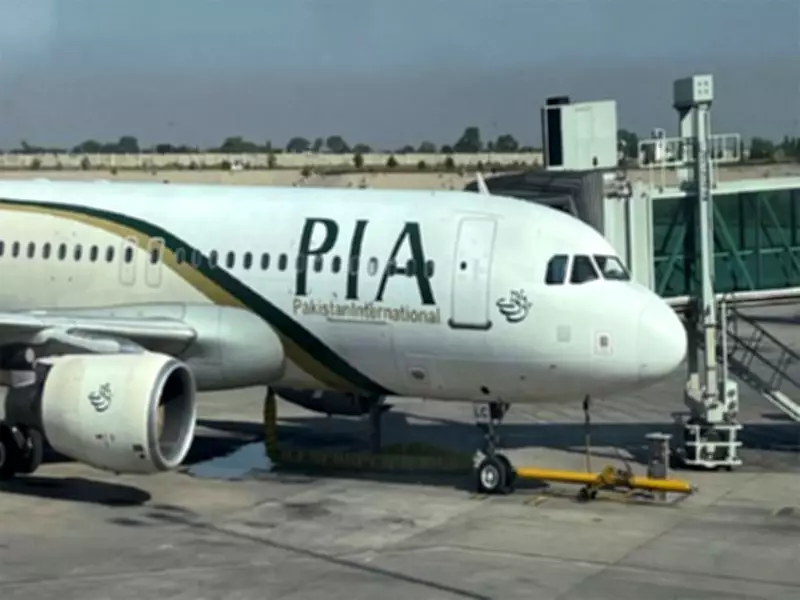
Pakistan's Aviation Industry Struggles Amid Fuel Price Surge and Geopolitical Unrest
The aviation sector in Pakistan is confronting a severe financial crisis, exacerbated by escalating tensions between Iran, Israel, and the United States. This geopolitical turmoil has sent shockwaves through global energy markets, leading to a sharp increase in fuel prices that is severely impacting both commercial flight operations and pilot training programs across the nation.
Geopolitical Triggers and Fuel Market Disruption
The crisis intensified after Iran reportedly closed the Strait of Hormuz in response to joint military strikes by the US and Israel that commenced on February 28. As a critical global oil transit route, the closure of this strategic waterway has driven international oil prices upward, creating widespread uncertainty in fuel markets worldwide. According to The Express Tribune, the aviation industry has been among the hardest hit by this disruption.
Soaring Fuel Costs and Airfare Increases
Aviation specialists in Pakistan report that the price of Jet A-1 fuel, essential for commercial airliners, has surged by approximately Rs154 per litre. Meanwhile, aviation gasoline, used in smaller training aircraft, has risen by nearly Rs80 per litre. To offset these escalating operating expenses, airlines have been forced to raise ticket prices significantly.

- Domestic airfares have increased by roughly Rs10,000 to Rs15,000.
- International ticket prices have seen dramatic hikes, ranging between Rs30,000 and Rs150,000, depending on specific routes and travel demand.
Airlines operating in Pakistan are struggling to absorb this financial burden, and industry observers warn that further price increases may be unavoidable if the crisis persists.
Flight Cancellations and Operational Instability
The volatile regional situation has led to significant disruptions in flight schedules. Over the past 17 days, more than 1,600 flights departing from Karachi and other airports to Gulf destinations and beyond have been cancelled due to the ongoing instability.
Pilot Training Institutes Face Deepening Crisis
Pilot training institutes are experiencing an even more severe impact. Aviation gasoline, which powers training aircraft, is produced at only a few locations globally and must be imported in shipments of 16,000 to 24,000 litres or in 200-litre drums. The cost of this fuel has now climbed to around Rs670 per litre, posing serious challenges for flying schools.
Training facilities at Karachi Airport report that the price of pilot training has increased by nearly Rs1 million, with fuel reserves expected to last only about a month. Aviation experts caution that if prices continue to rise, small aircraft operations and pilot training activities could soon come to a standstill, further deepening Pakistan's already fragile aviation crisis.
In summary, Pakistan's aviation sector is grappling with a multifaceted crisis driven by geopolitical tensions and fuel market volatility, threatening both commercial operations and the future of pilot training in the country.