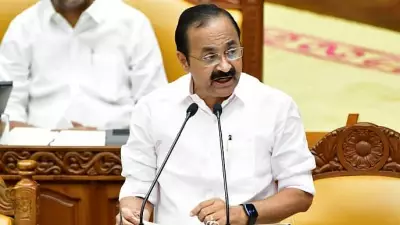
Pakistan has stated that it is actively engaged with the United States and Iran in an effort to end the ongoing war in West Asia. The announcement was made by Foreign Office Spokesperson Tahir Andrabi, who expressed optimism about a negotiated resolution to the conflict.
Pakistan's Diplomatic Role
Speaking to the media, Andrabi emphasized that Pakistan is hopeful of a peaceful settlement through dialogue. He highlighted that Islamabad encourages direct negotiations between the two sides to de-escalate tensions and restore stability in the region.
“We encourage direct negotiations between the two sides,” Andrabi said, underlining Pakistan’s commitment to fostering communication and understanding among the involved parties. The spokesperson reiterated that Pakistan is playing a constructive role in facilitating discussions aimed at ending the hostilities.

Context of the Conflict
The war in West Asia has drawn international concern, with multiple countries urging restraint and diplomacy. Pakistan’s involvement reflects its broader foreign policy objectives of promoting peace and security in the region. The country has historically maintained diplomatic ties with both the United States and Iran, positioning it as a potential mediator.
Observers note that Pakistan’s efforts are part of a larger international push to prevent further escalation. The United Nations and other global bodies have also called for an immediate ceasefire and a return to the negotiating table.
Reactions and Next Steps
While no official response from the US or Iran has been reported yet, analysts suggest that Pakistan’s initiative could help bridge differences. The spokesperson did not provide a timeline for the proposed negotiations but stressed that Pakistan remains committed to supporting any process that leads to lasting peace.
The development comes amid heightened tensions in West Asia, where recent clashes have resulted in significant casualties and displacement. Pakistan has consistently advocated for a diplomatic solution, urging all parties to prioritize dialogue over military action.