A fresh seismic event rattled parts of Pakistan on Tuesday, adding to a growing pattern of earth tremors in the region. The quake, measuring 4.8 on the Richter scale, struck in the early hours, sending shockwaves through several provinces.
Details of the Latest Seismic Shock
The earthquake occurred at 7:55 am local time, with its epicenter located near the border regions of Punjab and Khyber Pakhtunkhwa. According to Pakistan's National Seismic Monitoring Centre (NSMC), the quake originated at a shallow depth, which often amplifies the shaking felt on the surface. Tremors were strongly felt in major cities including Islamabad, Rawalpindi, and parts of Khyber Pakhtunkhwa.
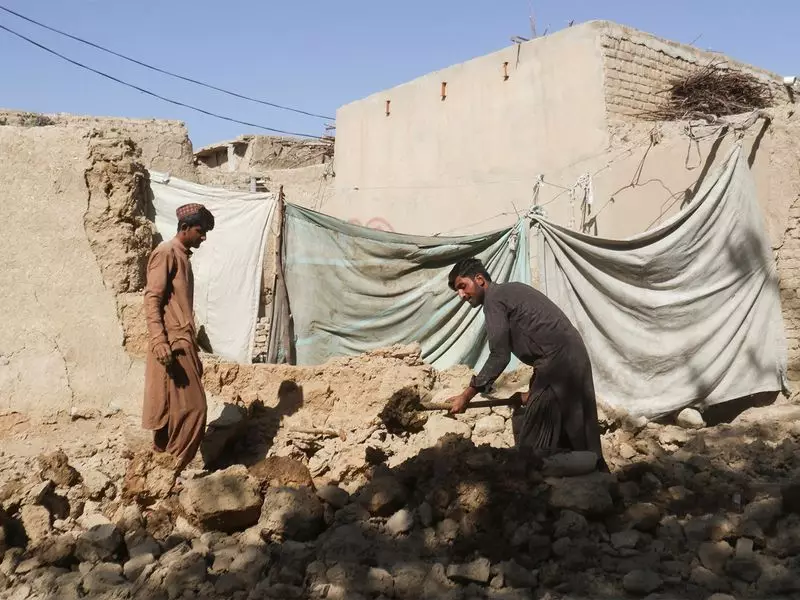
This event marks the fifth significant tremor to hit Pakistan in a span of less than one month. The region has been experiencing an unusual spike in seismic activity, raising concerns among both citizens and geologists. Initial reports from local authorities indicated no immediate loss of life or widespread damage to infrastructure from this specific quake, though panic was reported among residents.

A Pattern of Increasing Activity
The frequency of these earthquakes is notable. Prior to this 4.8 magnitude event, the region experienced four other tremors within the same 30-day period. This cluster of seismic activity has put disaster management agencies on alert. Experts from the NSMC are closely monitoring the situation, analyzing data to understand if this sequence indicates a larger underlying geological shift.
Pakistan sits on a tectonically active region, where the Indian plate collides with the Eurasian plate. This makes the country, particularly its northern and western parts, highly susceptible to earthquakes. The memory of devastating past quakes, like the 2005 Kashmir earthquake, remains fresh, prompting swift public reaction to even moderate tremors.
Response and Regional Context
Local administration and disaster management teams were activated immediately following the tremor to assess any potential damage. Social media platforms were flooded with messages from people who felt the ground shake, many describing the sudden jolt and duration. The quick dissemination of information through official channels helped prevent the spread of major rumors.
The repeated seismic events have sparked discussions about preparedness. Building codes and public awareness campaigns are under renewed scrutiny. While this latest quake did not cause major destruction, it serves as a stark reminder of the constant seismic threat. Experts urge the public to stay informed about safety protocols and for authorities to ensure that critical infrastructure is built to withstand stronger shocks.
The coming days will be crucial for seismologists studying this pattern. Whether this activity will subside or is a precursor to a more powerful event remains unknown. For now, the people of the affected regions are hoping for calm, as they recover from the fright of yet another unexpected tremor.