The recent Rajpura Municipal Council elections have resulted in a fractured mandate, leaving the contest for the president's post wide open. This development has set the stage for intense political maneuvering among the major parties in the region.
Election Results Overview
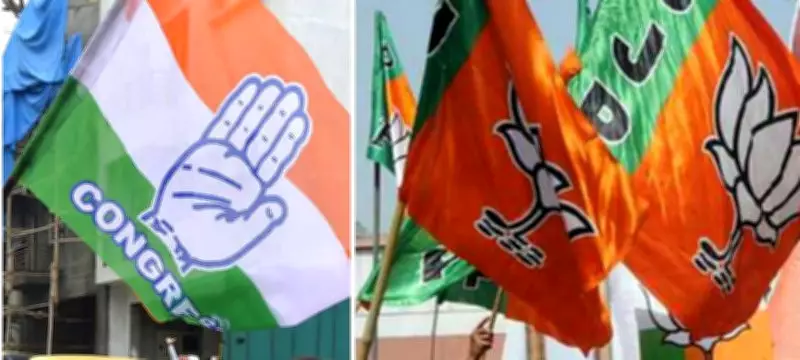
In the 31-member municipal council, the Congress and the Bharatiya Janata Party (BJP) emerged as the joint largest parties, each securing nine seats. The ruling Aam Aadmi Party (AAP) in Punjab obtained seven seats. The Shiromani Akali Dal (SAD) won four seats, while independent candidates claimed two seats. With no party crossing the halfway mark of 16 seats required to elect the president, Rajpura is headed toward a period of political uncertainty until the president's election. Alliances, negotiations, and possible cross-party arrangements are now expected to determine who ultimately controls the civic administration.
Implications for the Aam Aadmi Party
Political observers view the outcome as a mixed verdict for the ruling AAP. While the party failed to reach double digits despite being in power in Punjab and campaigning on development and welfare initiatives, it can draw some consolation from the fact that it had won only one seat in the previous municipal elections. Its tally of seven seats marks a significant improvement, though it remains far short of securing control of the council.

Congress Setback
For the Congress, however, the results represent a major setback. The party, which had dominated the previous municipal council with 27 seats, has been reduced to just nine. The steep decline points to weaknesses in the local leadership and organizational network. Despite retaining influence in several wards, the Congress failed to convert its traditional support base into a decisive majority.
BJP's Significant Gain
The BJP's performance has emerged as one of the most significant aspects of the election. Matching the Congress tally of nine seats in a traditionally semi-urban constituency indicates the party's growing organizational strength and expanding urban footprint in the state. The party had secured only two seats in the previous elections, making its latest performance a major gain ahead of the assembly elections due by next year.
Shiromani Akali Dal's Improved Performance
The SAD also registered an improved performance, increasing its tally from one seat in the last elections to four this time. Though not in contention for the top post on its own, the party has suddenly acquired considerable leverage in the post-poll scenario. Indeed, the role of the SAD and the two independents has become crucial. With four councillors, the Akali Dal could emerge as a kingmaker, while the independents may prove decisive in helping any political formation achieve the simple majority needed to elect the president.
Dramatic Finish in Ward No. 7
The election also witnessed a rare and dramatic finish in Ward No. 7, with BJP candidate Neelam Mehta and her AAP rival securing exactly 953 votes each, resulting in a tie. As per election rules, the winner was decided through a coin toss, which went in favor of Mehta, handing the BJP one of the closest victories of the election.