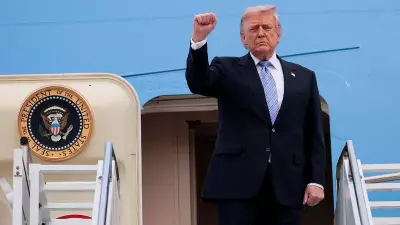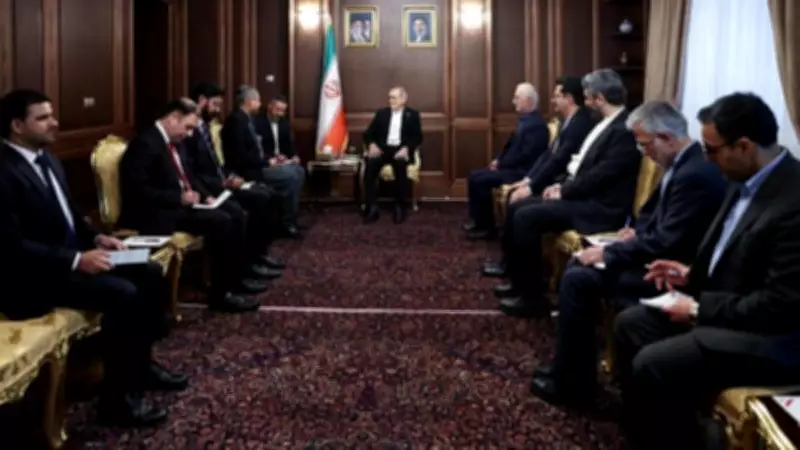
Pakistan's Interior Minister Mohsin Naqvi has traveled to Tehran for the second time within a week to hold discussions on the ongoing US-Iran peace negotiations. The visit underscores Pakistan's active role in facilitating dialogue between the two nations.
Background of the Visit
Naqvi was part of a delegation led by Pakistan's Interior Secretary Munir that visited Tehran last month. During that trip, the US-Iran negotiations were a major focus, with both sides expressing interest in Pakistan's mediation efforts.
Key Objectives
The current visit aims to build on the progress made in the previous discussions. Sources indicate that the talks are centered on de-escalating tensions and finding common ground for a peaceful resolution. Pakistan has historically played a mediating role in regional conflicts, and this engagement is seen as a continuation of that policy.

- Strengthening bilateral ties between Pakistan and Iran
- Exploring avenues for US-Iran dialogue
- Discussing regional security and stability
Regional Implications
The US-Iran peace talks have significant implications for the Middle East and South Asia. A successful resolution could reduce tensions in the Persian Gulf and impact global energy markets. Pakistan's involvement highlights its diplomatic influence and commitment to peace.
Naqvi's meetings in Tehran include high-ranking Iranian officials, though specific names have not been disclosed. The visit is expected to conclude with a joint statement outlining the next steps in the peace process.
This development comes amid heightened international focus on Iran's nuclear program and its relations with the United States. Pakistan's efforts are being closely watched by global powers, including the United Nations and the European Union.