

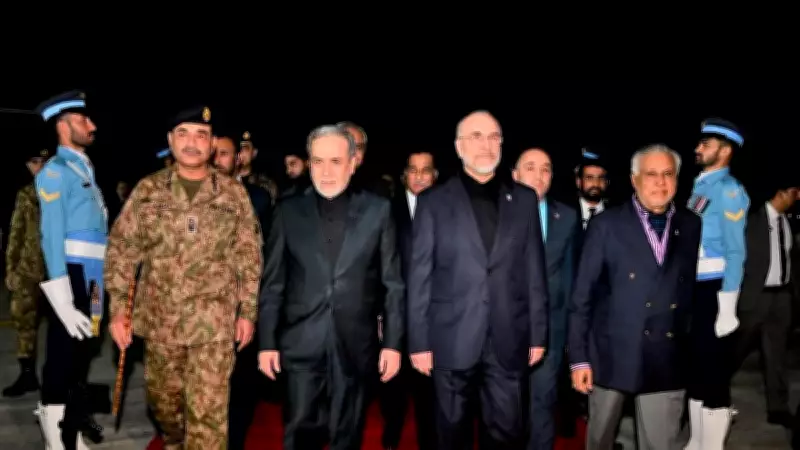
With peace talks between Iran and its adversaries reaching a stalemate, Pakistan once again finds itself in a precarious position, striving to facilitate dialogue between the two sides. The failure of the ceasefire could have significant repercussions for Pakistan, both diplomatically and strategically.
Diplomatic Credibility at Stake
Pakistan has long positioned itself as a mediator in regional conflicts, particularly between Iran and Saudi Arabia. A collapse of the Iran ceasefire would undermine Pakistan's reputation as a neutral broker. The country has invested considerable diplomatic capital in bringing the parties to the negotiating table, and a breakdown would signal a failure of its foreign policy initiatives.
Economic and Energy Concerns
Pakistan relies on energy imports from Iran, and any escalation in hostilities could disrupt these supplies. Additionally, instability in the region threatens trade routes and investment opportunities. The China-Pakistan Economic Corridor (CPEC) could also be affected if tensions spill over into neighboring countries.

Security Implications
An unresolved conflict could embolden militant groups operating in the region, posing a direct threat to Pakistan's internal security. The country has already faced challenges from cross-border terrorism, and a volatile Iran would exacerbate these issues.
Humanitarian and Refugee Crisis
A prolonged conflict could lead to a humanitarian disaster, with refugees potentially crossing into Pakistan. The country, already hosting millions of Afghan refugees, would struggle to manage an additional influx.
Pakistan's role as a mediator is crucial for regional stability. The failure of the ceasefire would not only harm its interests but also destabilize the broader Middle East and South Asia.






