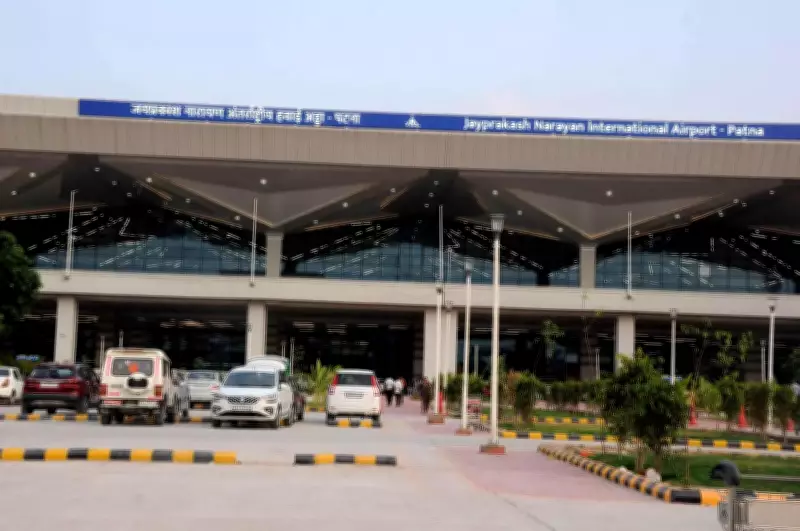
The Jayaprakash Narayan International Airport in Patna is set to fully utilize its parallel taxi track (PTT) after acquiring an additional 1.85-acre plot of land from the Bihar Industrial Area Development Authority (Biada). This development addresses long-standing space constraints and aims to improve operational efficiency at the airport.
Land Acquisition and Purpose
Airport director Chandra Pratap Dwivedi confirmed that the district administration has handed over the land, which will ease space constraints and ensure regular use of the PTT. “The allotted land, located behind the Air Traffic Control (ATC) tower, will be used to relocate ground handling equipment and related facilities. This move will free up valuable space within the airport premises and enable more efficient utilization of the parallel taxi track and other operational infrastructure,” he said.
The additional 1.85-acre area will house various ground support equipment, including passenger buses, baggage loaders, ambulifts, tractors, pushback vehicles, and other machinery required for aircraft handling operations. The decision to transfer the land was taken by the state cabinet, the director told this newspaper.

Parallel Taxi Track Details
The 1,389-metre-long taxi-track, built at a cost of around Rs 22 crore, has already been commissioned with approval from the Directorate General of Civil Aviation (DGCA). However, officials noted that space limitations had prevented its optimum utilization. With the availability of the additional land, the airport will be able to reorganise its operational areas and make greater use of the facility.
The PTT connects the runway turn pad at Runway 07 with the aprons located near the terminal building, providing aircraft with a dedicated route between the runway and parking bays.
Operational Benefits
According to Airports Authority of India (AAI) officials, the facility is expected to significantly improve aircraft movement. In the absence of a PTT, aircraft that land at the airport often have to backtrack along the same runway to reach the apron area. This occupies the runway for a longer duration and can delay other aircraft waiting to land or take off.
With the taxi-track in place, aircraft can vacate the runway more quickly after landing and proceed directly towards the apron, reducing runway occupancy time and improving the overall flow of air traffic. The facility will also increase the airport’s flight handling capacity, reduce delays on the ground and in the air, and help airlines save fuel.
Development Work Underway
Officials said preliminary work has already begun on the newly allotted land after the airport received permission to start development activities, which will ease operational bottlenecks and allow better management of airport infrastructure.