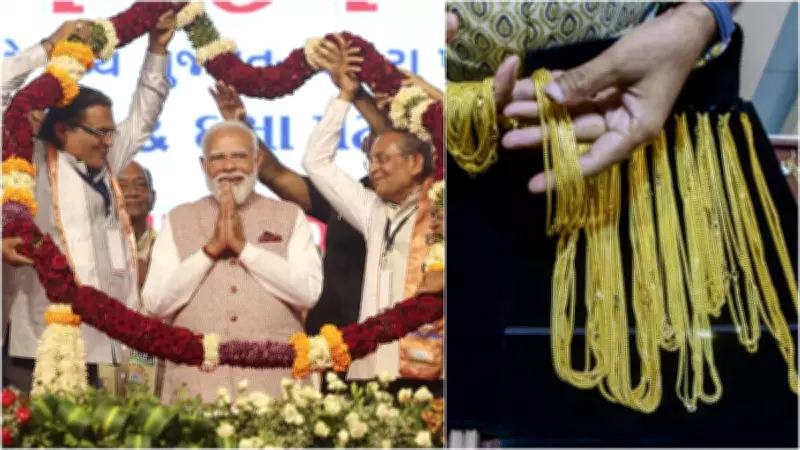
Prime Minister Narendra Modi has made a fresh appeal to the nation, urging citizens to cut imports and curb foreign currency spending in light of the escalating crisis in West Asia. Describing the conflict as one of the biggest crises of the decade, Modi called for a collective effort to reduce consumption of petrol, diesel, edible oil, and other imported goods until the situation improves.
PM Modi's Appeal on Imports
Addressing the nation, Modi emphasized the need to minimize dependence on imported commodities to conserve foreign exchange reserves. He stated that the ongoing turmoil in West Asia has disrupted global supply chains, leading to price volatility and economic uncertainty. The Prime Minister urged people to adopt measures such as using public transport, carpooling, and reducing non-essential travel to cut down on fuel consumption.
Impact on Edible Oil and Other Commodities
Modi specifically highlighted edible oil imports, which have a significant impact on the country's trade deficit. He encouraged citizens to explore alternatives and reduce wastage. The government is also considering policy measures to promote domestic production of edible oils and other essential items.

West Asia Crisis: A Decade's Biggest Challenge
The Prime Minister described the West Asia situation as unprecedented in the last ten years, with far-reaching implications for global energy markets and economic stability. He assured that the government is closely monitoring the developments and will take necessary steps to safeguard India's interests.
Call for National Unity
Modi's appeal is part of a broader strategy to enhance self-reliance and reduce vulnerability to external shocks. He called for national unity and cooperation, stating that every small effort by individuals can collectively make a significant difference. The government is also working on long-term solutions to boost domestic manufacturing and reduce import dependence.
Economic Implications
Analysts note that reducing imports can help strengthen the rupee and improve the current account deficit. However, they caution that sudden cuts could lead to supply shortages and inflationary pressures. The government is expected to balance these concerns while implementing the Prime Minister's vision.