

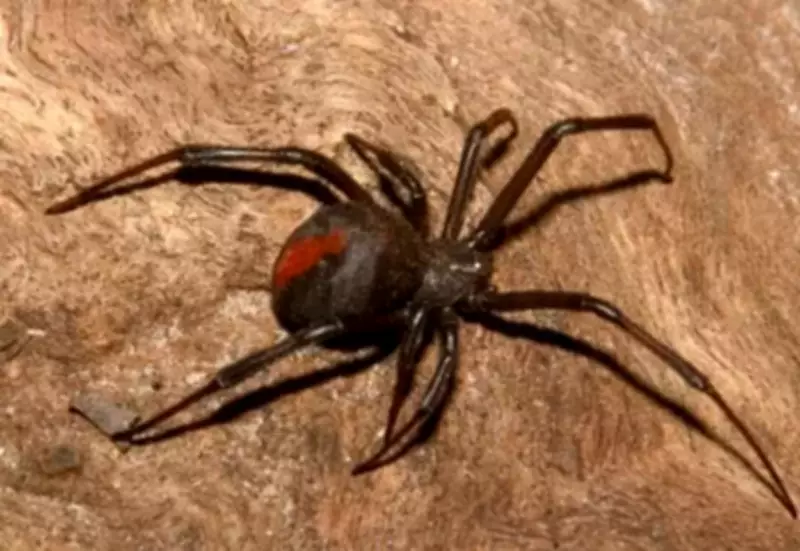
Assam University Researchers Document Rare Jumping Spider Species in India
In a significant scientific discovery, researchers from Assam University, Silchar, have recorded a rare species of jumping spider for the first time in India. This finding adds to the country's rich biodiversity list and underscores the immense scientific value of the forests in southern Assam. The documentation of this elusive arachnid marks a notable achievement in the field of entomology and conservation efforts in the region.
Discovery in the Inner Line Reserved Forest
The rare spider, identified as Colyttus bilineatus, was documented at Loharbond, located within the Cachar district's Inner Line Reserved Forest. This forest area is strategically positioned, bordering the states of Mizoram and Manipur, making it a unique ecological zone with diverse flora and fauna. The discovery was made possible through meticulous fieldwork and research conducted by the Assam University team, who have been studying the region's biodiversity for years.
Importance of the Finding
This first-time recording of Colyttus bilineatus in India is a testament to the country's untapped biological wealth. Jumping spiders are known for their unique hunting techniques and vibrant colors, and this species adds a new dimension to India's arachnid diversity. The discovery highlights the critical need to preserve and study the forests of southern Assam, which may harbor many more undiscovered species. It also emphasizes the role of academic institutions like Assam University in advancing scientific knowledge and conservation.

Broader Implications for Biodiversity
The addition of Colyttus bilineatus to India's biodiversity list not only enriches the national database but also provides valuable insights for global conservation efforts. This finding could lead to further research on the species' habitat, behavior, and ecological role, contributing to broader environmental studies. It serves as a reminder of the importance of protecting natural habitats from deforestation and other threats to ensure the survival of rare and endemic species.
This discovery, reported by seasoned journalist B B Goswami, showcases the ongoing scientific explorations in India's northeastern regions and their potential to reveal new aspects of the natural world.






