The Silver River of South America
The Río de la Plata, famously known as the Silver River, stands as one of South America's most significant waterways. This massive body of water stretches between Argentina and Uruguay, forming a natural border that has influenced the region for centuries. Early European explorers arrived with dreams of finding great riches, believing this river led to lands filled with precious metals. Their expectations shaped maps, language, and even the name of an entire nation.
More Than Just a River
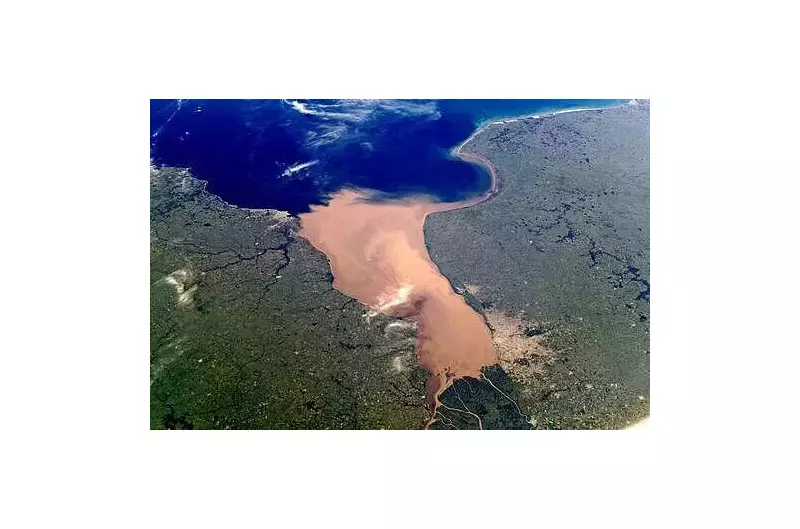
Scientists today describe the Río de la Plata as an estuary rather than a true river. It forms where two major rivers, the Paraná and Uruguay, meet and flow toward the Atlantic Ocean. The water spreads outward instead of narrowing, creating a wide, shallow basin where freshwater mixes with seawater. Tides move in and out regularly, and in some places near its mouth, the distance between shores exceeds 200 kilometres. This vast scale often confuses observers who expect traditional river behavior.
The waterway stretches approximately 290 kilometres from its inland meeting point to the Atlantic. Despite its technical classification as an estuary, most people continue calling it a river out of habit. The name persists through generations, even as scientific understanding evolves.

A Border Between Nations
The Río de la Plata serves as a natural boundary between Argentina and Uruguay. Major cities developed along its banks where access to trade and travel proved advantageous. Buenos Aires sits prominently on the western shore, while Montevideo faces it from the eastern side. These urban centers grew because of the river's strategic importance, shaping daily life for millions of residents. The waterway continues defining trade patterns, cultural exchanges, and economic activities on both shores.
Origin of the Silver Name
Spanish explorers arriving in the sixteenth century noticed local inhabitants wearing silver ornaments. Stories spread rapidly about potential silver sources upstream. The belief took hold that this wide waterway led to lands overflowing with precious metal. In Spanish, Río de la Plata translates directly to River of Silver. Although no substantial silver mines were ever discovered along its banks, the romantic notion endured. Even the name Argentina derives from the Latin word for silver, demonstrating how belief sometimes outweighs reality in historical naming.
Historical Significance
The Silver River witnessed centuries of exploration, settlement, and commerce. It served as a crucial route for explorers moving inland and merchants transporting goods. In 1939, it became the site of the Battle of the River Plate, the first major naval engagement of the Second World War. Ports expanded over time, cities grew larger, and the waterway helped shape political developments across the region. Much of this rich history remains visible in the architecture and culture of cities facing each other across the water.
The Silvery Appearance
The river's occasional silvery shimmer does not come from actual metal content. Fine sediment carried by the Paraná and Uruguay rivers creates this visual effect. Sand, clay, and silt particles remain suspended in the shallow water. When the surface stays calm, especially during sunrise and sunset, light reflects strongly off the flat expanse. The river briefly shines with a metallic glow before fading back to its usual brownish hue. The name Silver River continues even when the silver appearance disappears.
Today, the Río de la Plata remains a vital geographical feature connecting inland rivers to the Atlantic Ocean. It influences weather patterns, supports ecosystems, and continues defining life along its shores. The Silver River stands as a testament to how natural features shape human history, culture, and imagination across generations.