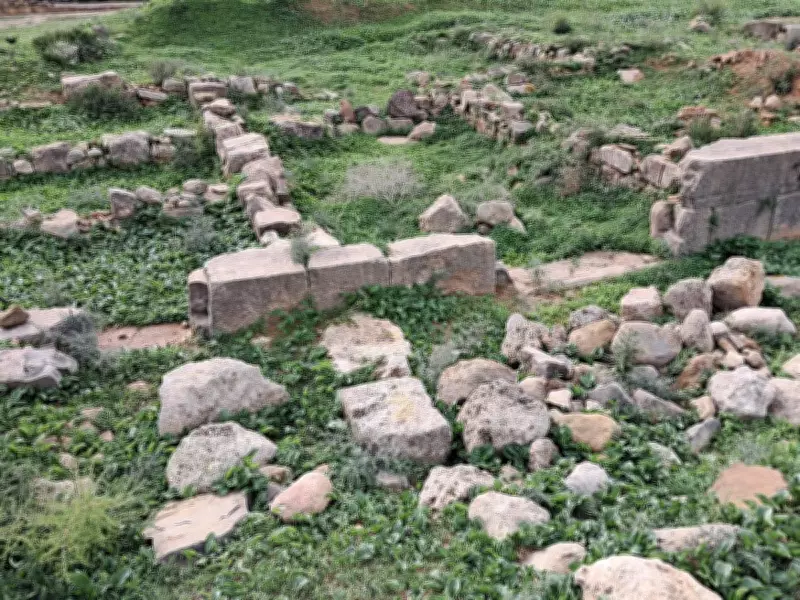
As archaeologists began to explore the lush gardens of the Bolongaro Palace in Frankfurt, they hoped to discover historic objects from the 17th century. Instead, they uncovered an expansive Roman military camp dating from the year zero, a significant historical surprise.
Rethinking Roman Expansion in Germany
The narrative of Roman expansion into Germany has often been a story of bloodshed, reminiscent of films like Gladiator or The Revenant. Tales of the Battle of the Teutoburg Forest and fierce Germanic tribal resistance have dominated our understanding. However, this discovery in Hochst, a quiet neighborhood just five miles from downtown Frankfurt, forces a reconsideration of these old beliefs.
The treasures unearthed are not broken swords or damaged shields. Instead, archaeologists from the Department of Archaeological Heritage Management found French and Belgian coins, as well as exquisite South Gallic ceramics. The absence of strife and violence is one of the most surprising aspects, indicating that when Romans first arrived in the Frankfurt region, they sought neighbors, not conflict.

Cooperation Over Conflict
Andrea Hampel, head of the Monuments Authority, notes that most people associate Roman expansion with images of war, such as those from Asterix and Obelix. However, the Bolongaro Garden tells a different tale of contact and cooperation. The presence of native ceramics alongside Roman items suggests a shared way of life, with soldiers and locals trading currency and recipes rather than blows.
This notion of a soft Roman expansion is supported by broader academic research. A 2024 study by Marianna Olivadese and Maria Luisa Dindo highlights that the Pax Romana was a multifaceted period of territorial expansion that often led to a blend of cultures. While military power is commonly emphasized, the era was marked by cultural and architectural achievements that brought diverse groups together under a common imperial identity. This discovery underscores a soft expansion focused on integration and shared identity.
An Ideal Location Near Rivers
Many Roman military camps of that period were temporary, leaving little trace. The Bolongaro site is different. Its longevity can be attributed to three factors: location, location, and location. Situated on elevated ground near the Nidda and Main rivers, the camp was positioned to monitor waterways and nearby roads. It was not just a barracks but a vital hub, housing elite Roman legionnaires and auxiliary soldiers, creating a thriving, diverse population that persisted over time.
This level of integration aligns with modern archaeological theories. A 2022 study by Elizabeth Shaw in the Theoretical Roman Archaeology Journal argues that the social and symbolic significance of Roman objects depends on context, usage, and ownership. Finding everyday objects in Frankfurt, rather than solely military equipment, confirms that these camps served as community spaces where Roman and local identities began to merge.
Rewriting Frankfurt's Origin Story
Frankfurt City Mayor Mike Josef called the discovery a piece of the city's history. It reminds us that the city's roots lie in moments of awe rather than battle. The Frankfurters of the year zero may have been attracted by shiny Gaulish coins or glitzy ceramics instead of starting wars.
For modern audiences fascinated by ancestry and origin stories, this discovery offers a compelling shift in narrative. It shows that two thousand years ago, globalization occurred in unexpected places. The Bolongaro Palace renovation, intended to improve an older museum, has provided a glimpse into a time when two different cultures came together amicably.
This find challenges us to rethink not only Roman history but also the potential for peaceful cultural exchange in ancient times.