

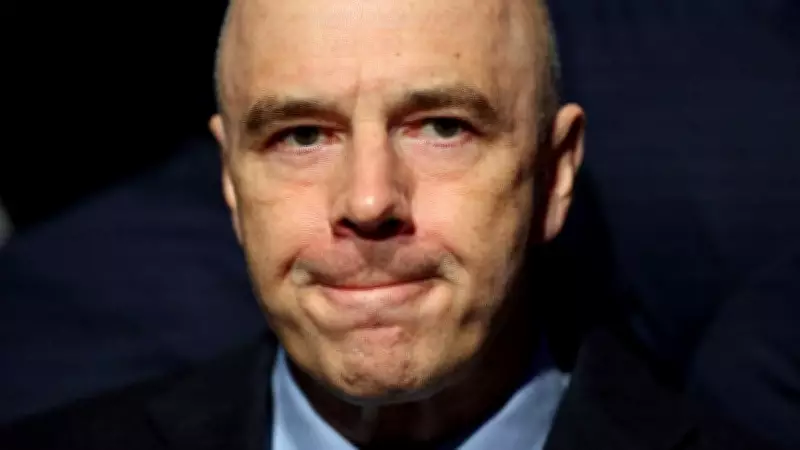
Russia has warned that the United Arab Emirates' potential exit from the Organization of the Petroleum Exporting Countries (OPEC) could lead to increased global oil production and a subsequent decline in prices. The statement was made by Russian Finance Minister Anton Siluanov, who highlighted the risks of uncoordinated output policies among OPEC members.
Impact of UAE's Possible Departure
If OPEC countries fail to coordinate their policies following the UAE's exit and instead produce as much oil as their production capacities allow, prices will inevitably fall, Siluanov said. He emphasized that the current framework relies on collective decision-making to balance supply and demand, and any disruption could destabilize the market.
Global Oil Market Dynamics
The UAE is one of OPEC's major producers, with significant spare capacity. Its departure could encourage other members to ramp up output to maintain market share, potentially flooding the market. This scenario would reverse the recent trends of supply restraint that have supported prices.

Siluanov's comments come amid ongoing tensions within OPEC+ over production quotas. The group has been gradually increasing output after historic cuts during the pandemic, but disagreements persist. The Russian finance minister stressed that coordinated action is essential to avoid a price crash.
- Increased Supply: Without OPEC discipline, countries may produce at maximum capacity.
- Price Decline: Higher supply with steady demand would push prices lower.
- Market Volatility: Uncoordinated policies could lead to sharp fluctuations.
Reactions and Implications
Analysts suggest that an actual UAE exit would be a major blow to OPEC's unity. The UAE has previously expressed frustration with its quota, seeking a higher baseline for production. If it leaves, other members might follow suit, weakening the cartel's influence.
Russia, as a key OPEC+ partner, has a vested interest in stable oil prices. Lower prices would strain its budget, which relies heavily on energy revenues. Siluanov's warning underscores Moscow's preference for continued cooperation among producers.
What's Next?
The UAE has not officially announced its exit, but speculation has grown. Market participants will watch for any official statements from OPEC or the UAE. In the meantime, oil prices remain sensitive to news about supply and demand, with the potential for significant swings if the situation evolves.
In summary, Russia's finance minister has highlighted the risks of the UAE leaving OPEC, predicting higher production and lower prices. The comments reflect broader concerns about the future of coordinated oil policy in a changing global energy landscape.






