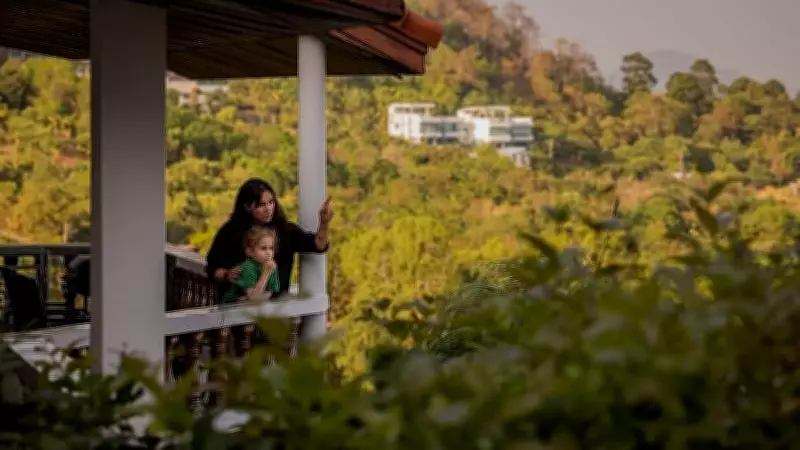
On the sun-drenched beaches of Koh Samui, a Thai island in the Gulf of Thailand, a Russian enclave has flourished in recent years. From beachfront cafes serving borscht to signs in Cyrillic script, the presence of Russians is unmistakable. However, locals and expats alike describe this boom as fleeting, driven by a combination of factors including Russia's war in Ukraine, Western sanctions, and a search for alternative lifestyles.
A Surge in Russian Arrivals
Since the onset of the conflict in Ukraine in 2022, Thailand has seen a significant increase in Russian tourists and expatriates. Koh Samui, known for its palm-fringed beaches and laid-back vibe, has become a hotspot. According to Thai immigration data, Russian arrivals to Thailand surged by over 1,000% in 2022 compared to the previous year, with many choosing to stay long-term. The island's Russian community now numbers in the thousands, with businesses catering specifically to their needs.
Economic and Lifestyle Drivers
Many Russians are drawn to Koh Samui for its lower cost of living, tropical climate, and relative political stability. With the ruble weakening and Western travel restrictions in place, Thailand offers an accessible escape. Some are digital nomads or entrepreneurs, while others have relocated entire families. "It's a paradise compared to what we left behind," says Alexei, a 34-year-old IT professional who moved to the island with his wife and two children. "But we know it might not last forever."

Transient Community Dynamics
The Russian community on Koh Samui is vibrant but transient. Social media groups and local events foster a sense of belonging, yet many residents view their stay as temporary. The uncertainty stems from potential changes in Thai visa policies, economic fluctuations, and the unpredictable course of the war. "People come and go," notes Marina, a Russian restaurant owner. "We make friends, and then they leave. It's a cycle."
Local Impact and Integration
The influx has boosted the local economy, with Russian-owned businesses ranging from real estate agencies to yoga studios. However, integration with Thai locals remains limited. Language barriers and cultural differences create a parallel community. Some Thais express mixed feelings: while they appreciate the economic benefits, they worry about rising property prices and the temporary nature of the boom. "It's good for business, but we don't know how long it will last," says Somchai, a Thai hotel manager.
Geopolitical and Global Context
The Russian presence in Koh Samui is a microcosm of broader global shifts. The war in Ukraine has triggered a diaspora, with Russians seeking refuge in countries that do not impose sanctions. Thailand, as a neutral nation, has become a haven. However, the long-term sustainability of this trend is uncertain. Changes in international relations or domestic policies could quickly alter the landscape.
As the sun sets over the Gulf of Thailand, the Russian community on Koh Samui continues to thrive, but with an underlying sense of impermanence. For now, they enjoy the island's beauty and freedom, aware that this chapter may be as fleeting as the waves on the shore.