New York is not typically associated with snakes, as its image is often shaped by forest trails, lakeside cabins, and quiet fishing spots. However, several waterways across the state support healthy snake populations, especially in marshes, riverbanks, and shallow wetland systems where amphibians and fish are abundant. Most species are harmless to humans and spend much of their time avoiding contact, though sightings can unsettle swimmers and kayakers occasionally. The state’s varied landscape explains why snakes appear in so many places. Warm rocks near shorelines, dense reeds, flooded woodland, and slow-moving water create ideal shelter. Some lakes attract water snakes in large numbers during summer, while isolated wetlands become breeding areas that remain active for months.
According to WorldAtlas, here is the list of the snake-filled waters in New York and the species found there.
Snake-Filled Waters in New York and the Species Found There
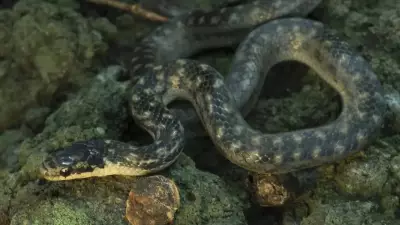
- Lake Champlain: Northern water snakes are frequently seen near rocky shorelines and marshy coves.
- Hudson River: Water snakes are common in calm, vegetated sections of the river during warmer months.
- Lake George: Northern water snakes and garter snakes are often spotted near coves, docks, and rocky islands.
- Montezuma National Wildlife Refuge: Water snakes are regularly seen around reeds, shallow pools, and wetland trails.
- Oneida Lake: Northern water snakes are common around marshy shorelines, reeds, and shallow inlets.
Snake-Filled Waters Across New York State
1. Lake Champlain
Stretching along the northeastern edge of New York, Lake Champlain supports several semi-aquatic snake species, particularly northern water snakes that gather near rocky shorelines and marshy coves. The lake’s broad habitat range provides reptiles with plenty of hiding spots without frequent contact with visitors. Anglers and boaters occasionally spot snakes resting on exposed rocks during warmer afternoons. Despite their appearance, the species commonly seen here are non-venomous and generally retreat quickly when disturbed.

2. Hudson River
The Hudson River cuts through urban areas, forests, and wetlands, creating long stretches of suitable habitat for snakes. Water snakes appear most often in calmer sections with heavy vegetation or broken shoreline cover. In quieter areas north of the city, sightings increase during summer because reptiles move closer to warm surfaces and shallow water. The river also attracts prey species, including frogs and fish, which keeps snake activity relatively steady through the warmer months.
3. Lake George
Clear water and tourist traffic have not stopped snakes from thriving around Lake George. Small coves, wooded shorelines, and rocky islands provide shelter that works well for northern water snakes and garter snakes. People kayaking near quieter edges of the lake sometimes encounter snakes swimming between rocks or sunning themselves near docks. They are usually defensive only when cornered. Activity tends to rise in late spring and midsummer once shoreline temperatures become consistently warm across the region.
4. Montezuma Wetlands
The wetlands surrounding Montezuma National Wildlife Refuge form one of the largest marsh systems in the state, and reptiles are part of that environment year-round. Thick reeds, shallow pools, and muddy banks allow water snakes to remain hidden for long periods. Birdwatchers and hikers occasionally notice them crossing trails or drifting near vegetation. The area also supports large amphibian populations, giving snakes a reliable food source. Because much of the refuge remains undisturbed, wildlife densities stay comparatively high.
5. Oneida Lake
Oneida Lake is better known for fishing than reptiles, though snake sightings are not unusual around marshier sections of the shoreline. Northern water snakes appear near docks, reeds, and shallow inlets where fish gather. During hotter weeks, they sometimes move into open areas to regulate body temperature before slipping back into cover. Residents familiar with the lake often treat sightings as routine parts of the ecosystem rather than unusual events, particularly during the busiest summer period.