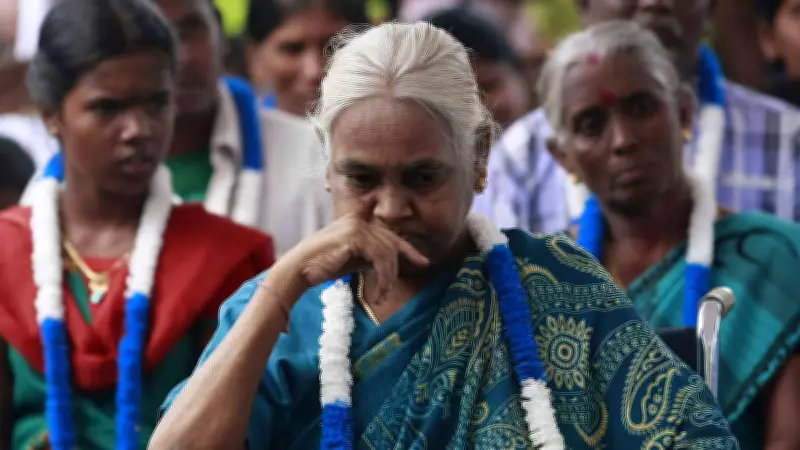
Sri Lanka Faces Rapid Aging as Elderly Population Triples in Four Decades
Sri Lanka is experiencing a profound demographic transformation, with its elderly population surging dramatically over the past 40 years. According to recent data, the number of individuals aged 60 and above has tripled, now accounting for a significant 16.7% of the total population. This rapid aging trend poses substantial challenges for the nation's healthcare, social security, and economic systems.
Key Demographic Shifts and Implications
The aging of Sri Lanka's population is accelerating at an alarming rate, driven by declining birth rates and increased life expectancy. This shift is not merely a statistical anomaly but a critical issue that demands immediate attention from policymakers and society at large. The proportion of elderly citizens has risen sharply, reflecting broader trends seen across many Asian nations, yet Sri Lanka's pace is particularly noteworthy.
Healthcare and Social Support Systems Under Strain

As the elderly population grows, Sri Lanka's healthcare infrastructure is facing unprecedented pressure. The demand for geriatric care, chronic disease management, and specialized medical services is escalating rapidly. Social support systems, including pensions and welfare programs, are also being stretched thin, raising concerns about the sustainability of current policies in the face of this demographic shift.
Economic and Labor Market Challenges
The aging population presents significant economic challenges, including a shrinking workforce and potential declines in productivity. With a larger proportion of citizens entering retirement, the dependency ratio is increasing, placing additional burdens on the working-age population. This could impact economic growth and necessitate reforms in labor policies and retirement planning.
Comparative Analysis with Regional Trends
Sri Lanka's aging crisis mirrors patterns observed in other parts of Asia, such as Japan and South Korea, but its rapid progression highlights unique vulnerabilities. Factors like migration, urbanization, and changing family structures are exacerbating the situation, making it imperative for Sri Lanka to develop tailored strategies to address these issues.
Future Projections and Policy Recommendations
If current trends continue, Sri Lanka's elderly population is projected to grow even further, potentially reaching critical levels in the coming decades. To mitigate the impacts, experts recommend a multi-faceted approach:
- Enhancing healthcare services for the elderly, including preventive care and mental health support.
- Reforming pension systems to ensure financial security for aging citizens.
- Promoting intergenerational solidarity and community-based care models.
- Encouraging workforce participation among older adults to alleviate economic pressures.
Sri Lanka's journey through this demographic transition will require concerted efforts from government, private sector, and civil society to build a resilient and inclusive society for all age groups.