

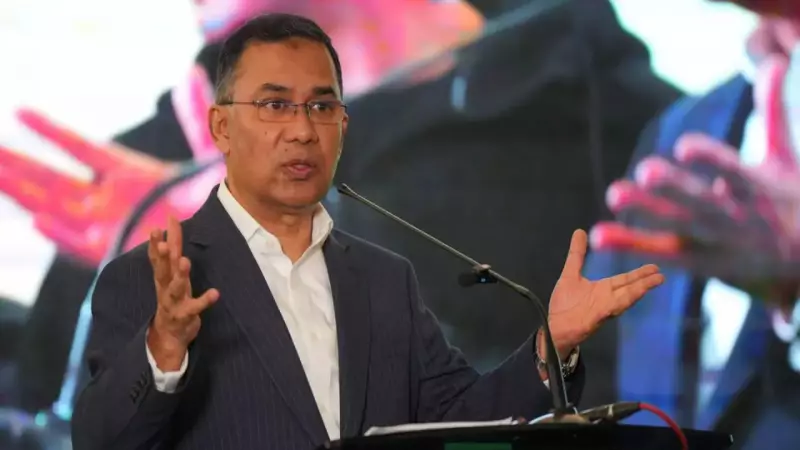
In a politically charged homecoming, Tarique Rahman, the acting chairman of the Bangladesh Nationalist Party (BNP) and son of former Prime Minister Khaleda Zia, has returned to Dhaka. He ended over 17 years of self-exile on Thursday, arriving with his wife Zubaida and daughter Zaima.
A Strategic Return Before Crucial Polls
Rahman's return is timed less than two months before Bangladesh's next parliamentary elections. BNP insiders believe his physical presence on the campaign trail as a star leader will significantly boost the party's prospects and lift the morale of its workers. The party itself has described the moment as "both politically significant and emotionally charged."
To mark this pivotal event, the BNP has organized a large reception on the outskirts of Dhaka, expecting thousands of supporters to gather. His return comes as the BNP faces the growing challenge of a coalition led by the country's largest Islamist party, Jamaat-e-Islami, which is gaining popularity, especially among the youth.

A Tumultuous Past and Legal Battles
Tarique Rahman's journey back home follows a long and controversial period abroad. He was detained by the military-backed caretaker government that ruled from 2007 to 2008. After his release by that regime, he left for Britain and had been living in London since then.
During his absence, Rahman faced multiple criminal convictions in Bangladesh. These included a high-profile case related to an alleged plot to assassinate the current Prime Minister, Sheikh Hasina. However, he was acquitted of all these charges after Hasina's government was removed from power in 2006.
Taking Direct Charge of Party Affairs
Despite living in London, Rahman has been leading the BNP from abroad as its acting chairman. Sources close to the party indicate that his return now signals a shift towards a more direct and hands-on role in managing party affairs and strategy. This move is anticipated to reshape the political landscape in the crucial weeks leading up to the national vote.
The BNP, one of Bangladesh's two major political forces, is banking on Rahman's leadership to consolidate its position and mount a strong challenge in the upcoming elections. His homecoming undoubtedly marks a new chapter in the nation's volatile political saga.






