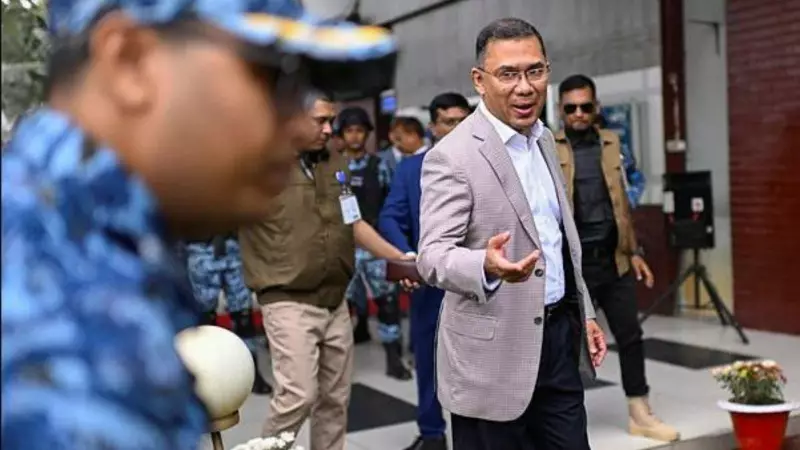
Bangladesh's political landscape witnessed a historic moment on December 25, 2025, as Tarique Rahman, the acting chairman of the Bangladesh Nationalist Party (BNP), returned to Dhaka after a prolonged exile of 17 years in London. His homecoming, marked by massive crowds at Hazrat Shahjalal International Airport, signals a pivotal shift in the nation's trajectory during a delicate period of political transition.
From Exile to Centre Stage: The Journey Back
Rahman's exile began in September 2008 under a military-backed government. Before his forced departure on a London-bound flight, he alleges he endured physical torture in custody and was made to sign a document pledging a permanent exit from politics. For over a decade and a half, he led the BNP remotely as its acting chairman, a role he assumed after his mother, former prime minister Khaleda Zia, was imprisoned during Sheikh Hasina's Awami League (AL) government tenure.
His return comes against a backdrop of significant personal and political challenges. Rahman himself was named in more than 80 legal cases filed under the previous AL regime. Observers note that his conduct following the fall of that government has shown a move towards political maturity, with repeated public calls for national unity, restraint, and reconciliation instead of vengeance.

The Immediate Challenges: Governance and Party Discipline
Bangladesh finds itself at a decisive juncture. The interim government, which took charge with high public hope after the July uprising, has reportedly failed to meet governance expectations. With national elections scheduled for February 12, 2026, and the BNP positioned as a front-runner, Rahman faces immense pressure to deliver on promises of stability and good governance.
Internally, his party requires urgent reform. The BNP, like others, grapples with accusations of extortion and criminal behaviour by some activists. Analysts believe Rahman's critical immediate task is to consolidate party command, curb illicit activities, reduce factionalism, and enforce discipline—a formidable challenge given Bangladesh's entrenched political party structures.
The Defining Task: Connecting with Bangladesh's Youth
Perhaps the most pressing long-term challenge for Rahman lies in understanding and addressing the aspirations of Bangladesh's massive youth population. The country is experiencing a demographic dividend, but many young citizens face a bleak future with scarce opportunities for upward mobility. This frustration has fueled youth-led movements across Southern Asia, in nations like Nepal, Sri Lanka, and Indonesia.
Corruption, economic mismanagement, and ignored rights have pushed the youth to a breaking point. For Rahman to shape a sustainable future, he must effectively channel this youth energy and overcome resistance from established interest groups that benefit from the status quo. His success may hinge on building a more meritocratic system aligned with young people's demands, rather than the old elites' desire to retain power.
The shadow of recent unrest, including the murder of activist Sharif Osman Bin Hadi, underscores the volatile environment. Both domestic and foreign actors are suspected of attempting to destabilize the nation ahead of the polls. In his first speech after returning, Rahman appealed for unity among democratic forces and hinted at a plan to meet people's aspirations, though details remain undisclosed.
As Rahman transitions from an exiled opposition figure to a potential shaper of Bangladesh's future, his choices will carry profound consequences. The direction he advocates—toward democratic renewal or renewed instability—will depend on his ability to wield his influence wisely, reform his party, and, crucially, listen to the pulse of a generation demanding change.