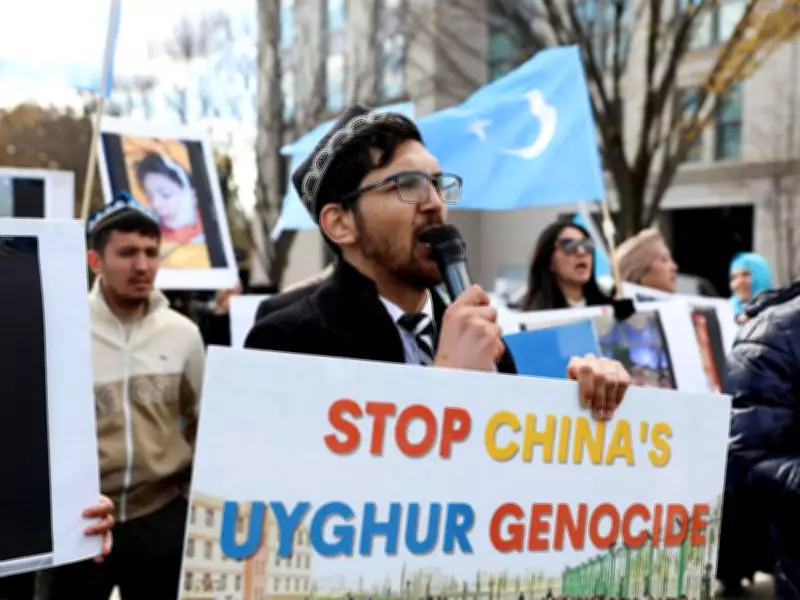
Representatives from Tibet and East Turkistan have called on the United States to back their respective independence movements, according to recent reports. The appeals were made during meetings with US lawmakers and officials, where the representatives highlighted ongoing human rights abuses and the denial of self-determination in their regions.
Key Appeals to US Government
The Tibetan representatives emphasized the need for international intervention to preserve their cultural and religious identity under Chinese rule. Similarly, East Turkistan representatives, referring to the Xinjiang Uyghur Autonomous Region, urged the US to take a stronger stance against what they describe as systemic repression of Uyghur Muslims and other Turkic minorities.
Human Rights Concerns Raised
Both groups presented detailed accounts of alleged violations, including arbitrary detention, forced labor, and restrictions on religious freedom. They argued that the US, as a global leader in human rights advocacy, has a moral obligation to support their causes.

- Tibetan representatives called for the revival of the Tibetan diaspora's political status and greater US recognition of the Dalai Lama's government-in-exile.
- East Turkistan representatives urged the US to designate Xinjiang's policies as acts of genocide and impose sanctions on Chinese officials.
US Response and Geopolitical Implications
The US officials reportedly expressed sympathy but stopped short of making concrete commitments. The requests come amid heightened tensions between Washington and Beijing over issues ranging from trade to territorial disputes in the South China Sea. Analysts suggest that any US endorsement of these movements could further strain bilateral relations.
China has consistently rejected allegations of human rights abuses in Tibet and Xinjiang, labeling them as interference in internal affairs. Beijing maintains that its policies have brought stability and development to these regions.
The developments underscore the ongoing complexity of US-China relations, with human rights and self-determination emerging as recurring flashpoints.