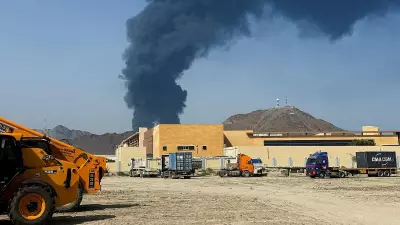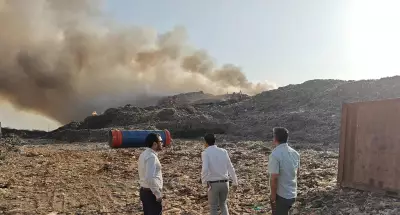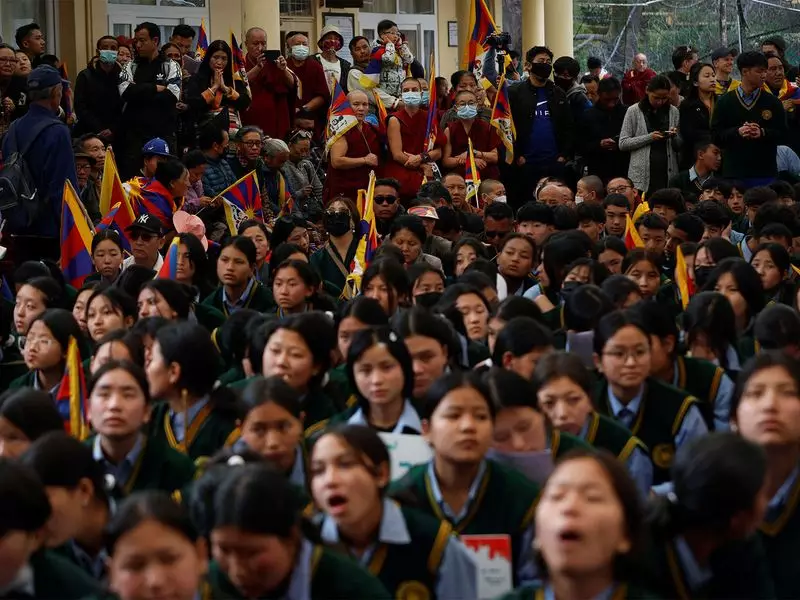
A coalition of Tibetan non-governmental organizations has launched a vehement protest against what they describe as widespread and illegal gold mining operations conducted by Chinese entities in the Tibet Autonomous Region. The groups are urgently calling for international intervention to stop these activities, which they claim are causing severe environmental devastation and violating the rights of local communities.
Allegations of Widespread Environmental Damage
The protest, organized by groups including the Tibetan Centre for Human Rights and Democracy (TCHRD) and the Students for a Free Tibet (SFT), centers on mining activities in the resource-rich regions of Nagchu and Ngari. According to the NGOs, these operations, which escalated significantly around 2021-2022, are being carried out without the consent of Tibetan residents and with blatant disregard for the ecological and cultural sanctity of the land.
The activists have released detailed reports and satellite imagery purporting to show the expansion of mining sites near sensitive areas, including sacred lakes and nomadic grazing grounds. They allege that the use of heavy machinery and toxic chemicals like cyanide in the extraction process is leading to water source contamination, soil degradation, and loss of biodiversity. The pastoral livelihood of local nomads is said to be under direct threat due to the pollution of grasslands and water bodies essential for their livestock.

A Call for Global Scrutiny and Action
Frustrated by the lack of domestic recourse, the Tibetan advocacy groups are now appealing to the international community. Their primary demand is for United Nations bodies, particularly those focused on human rights and the environment, to investigate the allegations. They want the UN to pressure the Chinese government to immediately halt all unauthorized mining, conduct independent environmental impact assessments, and hold the responsible companies and officials accountable.
The NGOs argue that this is not merely an environmental issue but a profound human rights crisis. They contend that the mining operations displace local populations, disrupt their traditional way of life, and are often accompanied by increased security presence and restrictions on movement, stifling dissent. The protestors emphasize that Tibet's fragile alpine ecosystem plays a crucial role in regional climate stability, making its protection a matter of global concern.
Broader Context and Implications
This protest highlights the ongoing tension between China's drive for resource extraction and economic development in minority regions and the preservation of local environmental and cultural heritage. The Chinese government has consistently stated that all mining activities in Tibet are conducted legally and with high environmental standards, framing them as part of legitimate poverty alleviation and infrastructure development programs for the region.
However, the Tibetan groups dismiss these claims, presenting their evidence of ecological harm. The call for international intervention underscores the challenges faced by civil society groups within China's jurisdiction and their strategy of leveraging global platforms to address grievances. The outcome of this appeal could set a precedent for how similar conflicts between development projects and indigenous rights in ecologically sensitive zones are addressed on the world stage.
The NGOs have vowed to continue their campaign, planning further awareness drives and lobbying efforts with foreign parliaments and international environmental organizations until concrete action is taken to safeguard Tibet's landscape and its people.