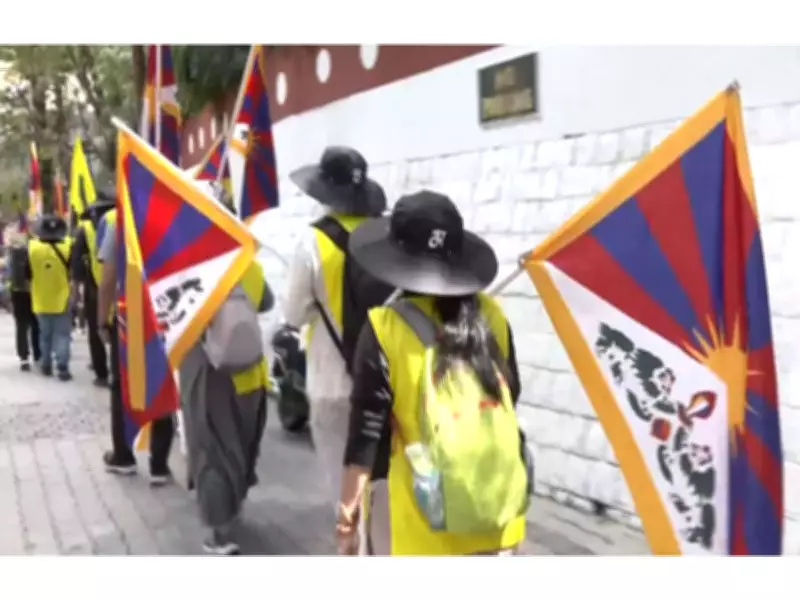
Tibetan Youth Congress Organizes Black Hat March from Dharamshala to Delhi
The Tibetan Youth Congress, a prominent advocacy group, recently conducted a significant protest march known as the Black Hat March, spanning from Dharamshala to Delhi. This event underscores ongoing tensions and the persistent struggle for Tibetan rights and autonomy in the face of Chinese policies.
Details of the March and Its Symbolism
The march commenced in Dharamshala, the seat of the Tibetan government-in-exile, and concluded in Delhi, India's capital. Participants, including activists and supporters, wore black hats as a symbol of mourning and resistance against what they describe as China's oppressive rule over Tibet. The Black Hat March is a traditional form of protest in Tibetan culture, historically used to express dissent and demand political change.
During the journey, marchers carried banners and chanted slogans calling for freedom, human rights, and self-determination for Tibetans. The event aimed to draw international attention to the Tibetan cause and pressure the Indian government and global communities to take a stronger stance on the issue.

Context and Broader Implications
This protest occurs against a backdrop of heightened geopolitical tensions between India and China, particularly over border disputes and regional influence. The Tibetan Youth Congress has been actively involved in such demonstrations for decades, advocating for the restoration of Tibetan independence and highlighting alleged human rights abuses by China in the region.
Experts note that such marches not only serve as a platform for voicing grievances but also reinforce the cultural and political identity of the Tibetan diaspora in India. The choice of Delhi as the endpoint is strategic, aiming to engage with Indian policymakers and international diplomats based in the city.
Reactions and Future Outlook
While the march has garnered support from various human rights organizations and Tibetan communities worldwide, it has also faced criticism from Chinese authorities, who view it as interference in their internal affairs. The Indian government, maintaining a delicate balance in its relations with China, has not issued an official statement on the event, reflecting the complex diplomatic landscape.
Looking ahead, the Tibetan Youth Congress plans to continue its advocacy efforts through similar protests and awareness campaigns. The Black Hat March is expected to inspire further activism, keeping the Tibetan issue in the global spotlight and pushing for dialogue on autonomy and rights.