

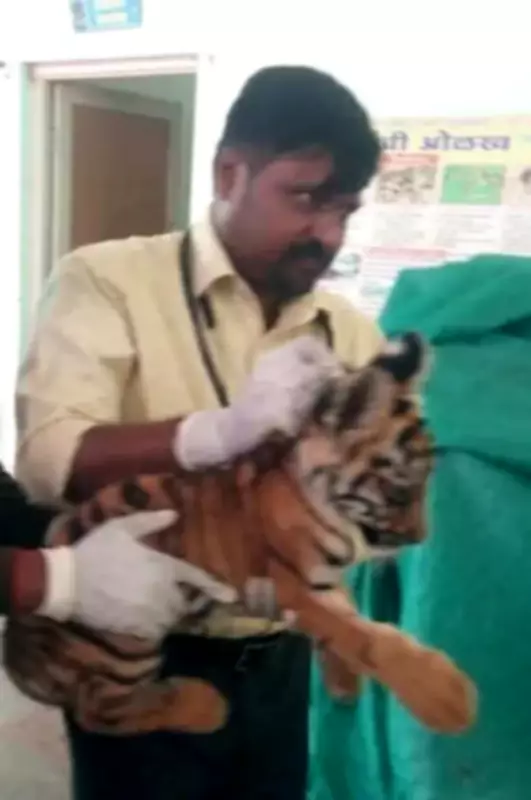
Tiger Cub Succumbs to Rare Viral Disease at Mumbai's National Park
A young tiger cub at the Sanjay Gandhi National Park (SGNP) in Mumbai has tragically passed away due to Feline Infectious Peritonitis (FIP), according to an official press release issued by park authorities. The cub died on April 16, marking a significant loss for the park's conservation efforts.
Details of the Incident and Family Background
The deceased cub was one of five offspring born to tigress Srivalli in October of last year. This litter represented an important addition to the park's tiger population, making the loss particularly poignant for wildlife officials and conservationists.
Park veterinarians have confirmed that FIP is an extremely rare viral disease for which no effective treatment currently exists. The condition poses serious challenges for wildlife management, especially in captive or protected environments where animal health is closely monitored.

Current Status of Remaining Cubs and Enhanced Safety Measures
The four surviving cubs from Srivalli's litter remain under close veterinary supervision and are reportedly doing well despite the loss of their sibling. Park authorities have implemented rigorous monitoring protocols to ensure their continued health and development.
In response to this incident, SGNP management has significantly escalated biosecurity measures throughout the facility. These enhanced protocols include:
- Daily disinfection of all animal enclosures
- Thermal sterilization of enclosure walls using advanced fire gun technology
- Increased frequency of health checks for all park animals
- Strict visitor management protocols to minimize potential pathogen transmission
The fire gun technology being employed represents a cutting-edge approach to eliminating viral pathogens from animal habitats. This method uses controlled high temperatures to sterilize surfaces without harming the structural integrity of enclosures or exposing animals to harmful chemicals.
Broader Implications for Wildlife Conservation
This incident highlights the ongoing challenges faced by wildlife conservation facilities in maintaining animal health, particularly when dealing with rare diseases that lack established treatment protocols. The Sanjay Gandhi National Park, spanning approximately 104 square kilometers within Mumbai's metropolitan area, serves as a crucial green lung for the city while housing diverse flora and fauna.
Park officials have emphasized their commitment to both animal welfare and conservation science, noting that such unfortunate events, while tragic, provide valuable data for improving wildlife healthcare protocols. The increased biosecurity measures implemented following this incident are expected to benefit all animals within the park's care, not just the tiger population.
Wildlife experts note that while FIP is rare in wild tiger populations, captive environments sometimes present unique health challenges that require specialized veterinary responses. The park's proactive approach to enhancing biosecurity demonstrates their dedication to preventing similar incidents in the future.






