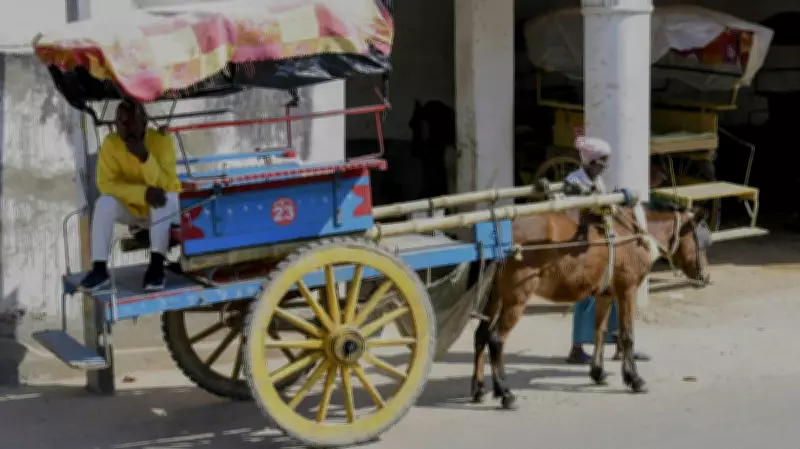
In the border belt of Jammu, traditional horse-drawn carriages known as 'tongas' are witnessing a resurgence in popularity, driven by Prime Minister Narendra Modi's appeal to conserve fuel. The renewed fascination comes amid wider efforts to reduce vehicle movement and combat rising fuel costs, offering an eco-friendly and cost-effective mode of transport for locals.
Revival of a Bygone Era
Once a common sight on the streets of Jammu, tongas had gradually faded into obscurity with the advent of modern automobiles. However, the current fuel crisis has sparked a renewed interest in this traditional mode of travel. Local drivers report an increase in passengers, particularly for short-distance trips within towns and villages. The tongas, often decorated with vibrant colors and bells, not only provide a nostalgic ride but also help conserve fuel and reduce pollution.
Community and Economic Impact
The resurgence has also provided a livelihood boost to tonga owners and drivers, many of whom had struggled to compete with auto-rickshaws and taxis. With fuel prices soaring, passengers find tongas to be a cheaper alternative. Moreover, the gentle pace of the tonga allows for a more relaxed journey, fostering community interaction. Local authorities have welcomed the trend, noting that it aligns with sustainable transport goals.

Challenges and Future Prospects
Despite the growing popularity, tongas face challenges such as traffic congestion and lack of dedicated lanes. Animal welfare advocates have also raised concerns about the well-being of horses, prompting calls for better care and regulations. Nevertheless, the trend highlights a shift towards more sustainable living, with many hoping that the tonga revival will endure beyond the current fuel crisis.
As India strives for energy independence, the return of tongas in Jammu serves as a reminder that traditional solutions can play a role in modern conservation efforts.