Trump Responds to Tragic Loss of Indian Seafarers in Gulf of Oman
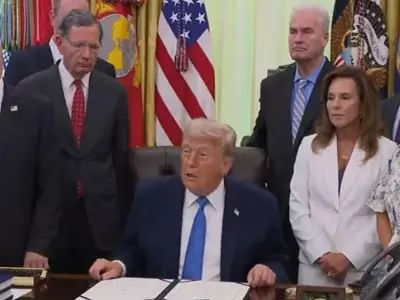
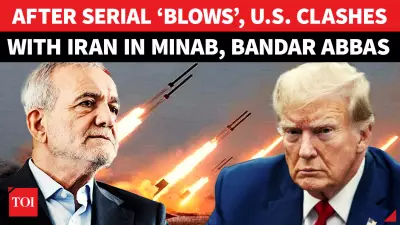
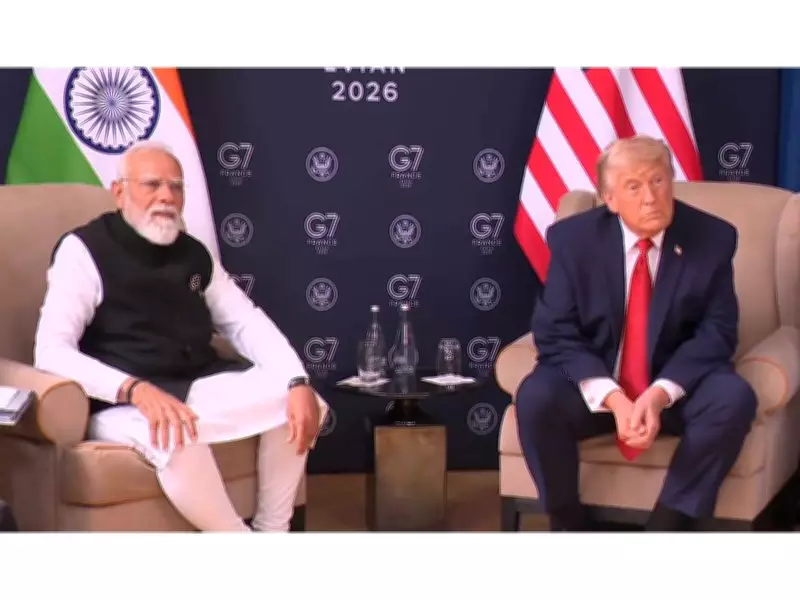
During a bilateral meeting on the sidelines of the G7 Summit in Evian, France, US President Donald Trump commented on the deaths of three Indian seafarers in a recent US military strike in the Gulf of Oman. Prime Minister Narendra Modi pressed Trump for enhanced protections for maritime workers caught in regional tensions. Trump acknowledged the tragedy briefly, emphasizing the inherent risks of the maritime industry without further elaboration.
'I heard about that. It's a rough profession, and we work together on it,' Trump remarked. 'This has been happening throughout time, but we work together. We love all those people. They are great people.'
Modi Highlights Maritime Security Concerns
The incident involved the Palau-flagged tanker MT Settebello, which had a crew of 24 Indians and was struck by US forces during a blockade operation. Modi stressed the importance of maritime security and the protection of Indian sailors, noting that 'lakhs of Indians are working as seafarers.' He tied their safety to international economic stability, emphasizing the need to keep the Strait of Hormuz open for global trade.

'Keeping the Strait of Hormuz open is vital for the global economy,' Modi said, expressing confidence that the safety of seafarers would be prioritized under the peace understanding between the United States and Iran.
Modi's Stronger Appeal at G7
Earlier, addressing G7 leaders including Trump, Modi underscored the unsustainable human cost of maritime volatility for India, which provides a significant portion of the global seafaring workforce. 'Several Indian civilians have also lost their lives. The safety of seafarers, who connect nations through global maritime trade, is our responsibility,' he declared during a session on rebuilding international solidarity.
Modi appealed for civilian workers not to be collateral damage in geopolitical blockades. 'We must ensure that sea routes remain secure and that seafarers can carry out their work without fear,' he added, urging collaborative efforts to prevent future casualties.