

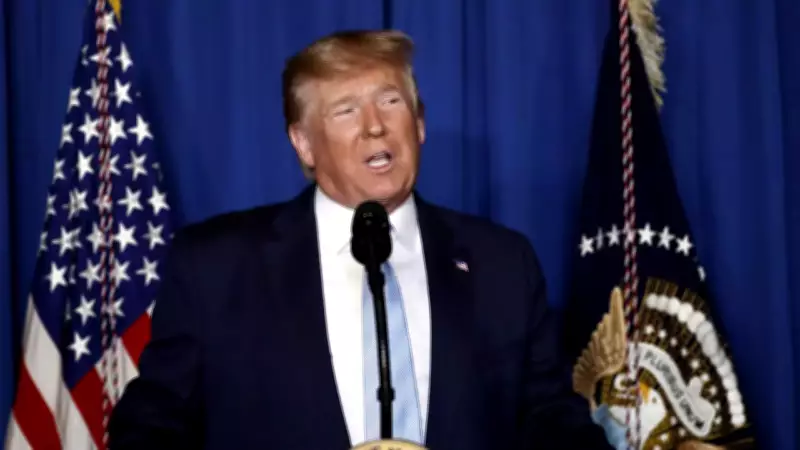
Donald Trump has warned that the US could impose tariffs on the UK if Prime Minister Keir Starmer does not withdraw the country's digital services tax (DST). This comes as tensions escalate between the two allies over trade and the regulation of major technology companies.
Trump's Warning to the UK
In a statement to The Telegraph, Trump said Washington views the tax as discriminatory toward American companies and signalled that retaliatory measures could follow if the policy remains unchanged. The warning comes at a sensitive moment in UK-US relations, with ongoing disagreements over trade, tech regulation, and free speech, as well as ahead of a planned state visit involving the British monarchy.
“I don’t like it when they target American companies, because basically, you’re talking about our great American companies, whether we like those companies that don’t like them, they’re American companies and the top companies in the world. We’ve been looking at it, and we can meet that very easily by just putting a big tariff on the UK. So they better be careful. If they don’t drop the tax, we’ll probably put a big tariff on the UK,” Trump told The Telegraph.

What is UK’s Digital Service Tax and Why It’s Causing Dispute with US
The UK’s digital services tax imposes a 2% tax on revenues generated in the UK by large digital platforms, including Apple, Google, and Meta. US officials have consistently argued that the policy unfairly targets American tech companies, while the UK government maintains that it ensures digital businesses contribute fairly based on their economic activity in the country.
Recent data from HM Revenue and Customs showed that the DST generated £944 million in the 2025–26 fiscal year, up 17% from the previous year. Official projections suggest the tax could raise £1.4 billion annually by 2030, making it a growing source of revenue for the UK Treasury.
So far, the UK has resisted Washington's calls to ditch the measure. The chancellor, Rachel Reeves, had previously said that tax would remain in place until a global deal on digital taxation was agreed following international talks.
Broader Implications for US-UK Relations
Trump’s threat of tariffs points to larger issues in the US-UK relationship, which has been damaged by differences on trade, regulation, and technology governance. Asked what sort of tariffs Britain would have to pay, Trump replied, “More than what they’re getting.”
This issue is part of larger geopolitical developments. Trump suggested that King Charles III's upcoming visit to the US could help improve ties between the two countries. “I know him well, I’ve known him for years,” Trump said. “He’s a brave man, and he’s a great man.”
However, his comments on Starmer were more critical, indicating that the UK PM's political standing could depend on policy changes. “If he opened the North Sea and if his immigration policies became strong, which right now they’re not, he can recover, but if he doesn’t, I don’t think he has a chance,” Trump noted.
This tariff threat is part of ongoing negotiations and previous disagreements, such as those regarding the UK's Online Safety Act 2023, which was criticised by US officials for violating freedom of speech. Past rows over possible limits on social media platform X also saw the US step back from talks on deeper technological cooperation.
Trump has also considered broader tariff measures, such as using Section 122 to impose a temporary 10% tariff on many countries. However, these kinds of actions can only last for a short time and have a limited effect without Congress's approval.






