

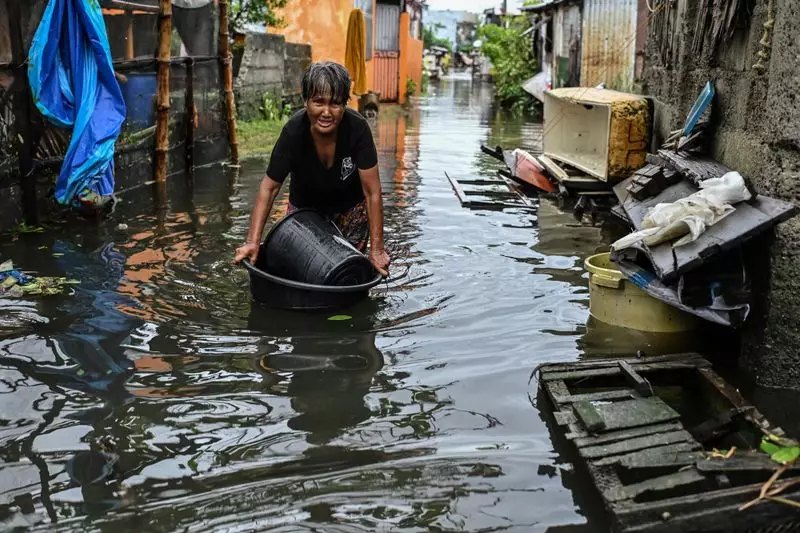
Tropical Storm Fung-Wong has left a trail of destruction in the Philippines, claiming at least four lives and triggering widespread flooding across northern provinces before weakening into a severe tropical storm. The weather system, which made landfall with considerable force, has forced thousands of residents to evacuate their homes as emergency services scramble to respond.
Casualties and Damage Assessment
The typhoon's impact has been particularly severe in Isabela and Cagayan provinces, where most of the casualties occurred. According to official reports, four confirmed deaths have been attributed to the storm, with victims succumbing to drowning and storm-related incidents. Emergency personnel continue to assess the full extent of the damage as floodwaters begin to recede in some areas.
Rescue operations have been underway throughout affected regions, with disaster response teams working around the clock to reach stranded residents. The Philippine Coast Guard reported conducting multiple rescue missions in flooded communities, where many residents had been trapped in their homes by rapidly rising waters.

Regional Impact and Government Response
Several northern provinces experienced significant disruption as Fung-Wong battered the region with strong winds and torrential rainfall. The storm initially made landfall as a typhoon before weakening to severe tropical storm status, though it continued to pose serious threats to public safety and infrastructure.
Local government units have activated emergency protocols, establishing evacuation centers in safer locations. Thousands of residents have been displaced from coastal and low-lying areas that are particularly vulnerable to flooding and storm surges. The social welfare department has begun distributing emergency supplies to affected families, though access remains challenging in some isolated communities.
Weather Forecast and Ongoing Threats
While Fung-Wong has weakened from its peak intensity, meteorological authorities continue to monitor the storm's movement and potential impact on other regions. The Philippine Atmospheric, Geophysical and Astronomical Services Administration (PAGASA) maintains weather advisories for several areas, warning residents of possible landslides and flash floods.
The weather system is expected to continue moving away from the Philippine archipelago, but not before dumping additional rainfall that could exacerbate flooding in already saturated areas. Fisherfolk and small sea vessels have been advised to avoid venturing into rough seas as conditions remain dangerous.
This latest natural disaster highlights the Philippines' vulnerability to tropical cyclones, which regularly batter the archipelago nation. The country typically experiences numerous typhoons each year, with the season peaking between July and October. Climate scientists have noted that warming ocean temperatures may be contributing to more intense storm systems in recent years.






