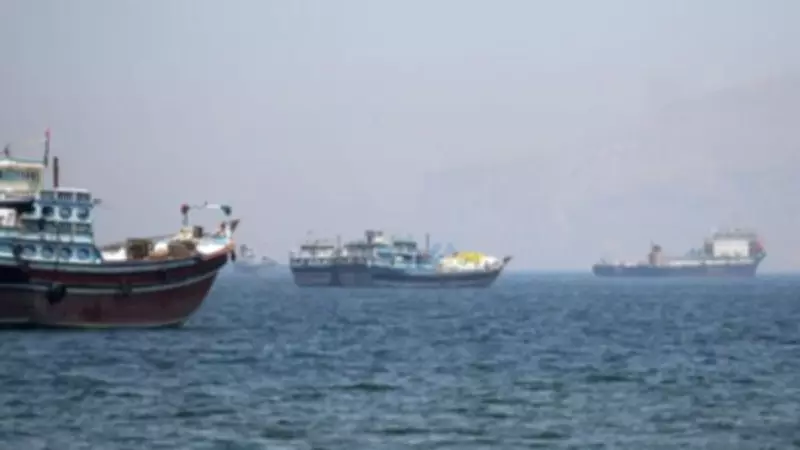
The United Arab Emirates has stated that Iran cannot be trusted over the Strait of Hormuz, as peace efforts have reached an impasse. This declaration comes in the wake of a series of escalating military actions in the region.
Recent Escalations
On February 28, following airstrikes conducted by the United States and Israel, Iran launched retaliatory attacks targeting U.S. military bases, infrastructure, and companies linked to the United States in Gulf states. The strikes have heightened tensions across the region, particularly concerning the strategic waterway of the Strait of Hormuz, through which a significant portion of the world's oil supply transits.
UAE's Stance
Emirati officials have expressed deep skepticism about Iran's reliability in any negotiations or agreements related to the Strait of Hormuz. The UAE, a key U.S. ally in the Gulf, has been actively involved in diplomatic efforts to de-escalate tensions but now views the situation as a stalemate. The country's leadership has called for a reassessment of strategies to ensure security and stability in the region.

Regional Implications
The impasse has broader implications for Gulf security and global energy markets. The Strait of Hormuz is a critical chokepoint for oil and gas shipments, and any disruption could lead to significant economic consequences worldwide. The UAE's position underscores the deep mistrust between Gulf states and Iran, complicating efforts to achieve a lasting peace.
As the situation remains volatile, international observers are closely monitoring developments. The United Nations and other global bodies have urged restraint and renewed dialogue, but the current trajectory suggests a prolonged period of uncertainty.