

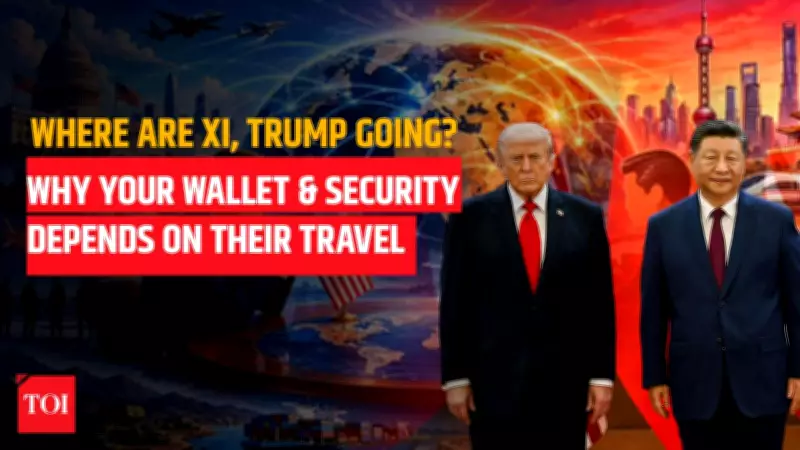
Foreign trips by US presidents and China’s Xi Jinping from 2013 to 2025 reveal the true scale of a changing world order. Diplomatic travel signals where leaders place their scarcest resource: political attention. Tracking these visits uncovers competing strategies that will shape money, security, and alliances over the next decade.
US Presidential Travel Patterns
US presidents—Barack Obama, Donald Trump (first term), and Joe Biden—made 146 visits to 56 countries. Their focus concentrated on Western Europe, the Middle East, and key Indo‑Pacific allies. This pattern reflects alliance management and crisis diplomacy. Trips to Europe or the Middle East often precede security guarantees, arms deals, coordinated sanctions, and defense contracts.
Xi Jinping’s Global Outreach
Xi made 126 visits but reached 72 countries, focusing on the Global South and Belt and Road partners. His destinations included Pakistan, Bangladesh, Thailand, many African and Central Asian states, Chile, and Serbia. These are regions where alignments remain fluid and infrastructure and market needs are vast.

Inbound Diplomacy Reinforces the Story
From 2013–2025, foreign leaders visited China 894 times and the US 619 times. China hosted leaders from 174 countries, while the US hosted leaders from 163 countries. Research shows that leader-level visits boost trade, investment, and aid. Face‑to‑face meetings—now back after the pandemic—build the trust that makes deals stick. Where leaders appear first often determines rules for roads, ports, 5G, and energy projects for decades.
Implications for Citizens and India
These travel patterns matter to citizens. They influence investment flows and supply chains, determine where security guarantees and military cooperation concentrate, and shift public opinion in host countries. India sits at the crossroads, deftly balancing visits to both capitals. High-level visits do not guarantee success and can backfire, but absence signals low priority. Watching who visits whom, and why, offers an early window into the emerging global order.






