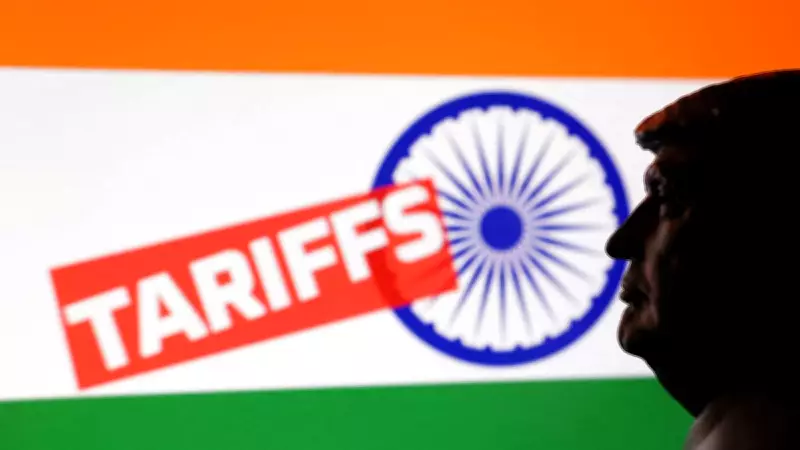
Recent court setbacks to former President Donald Trump's tariff policies have introduced fresh uncertainty into the US trade landscape, potentially slowing down Bilateral Trade Agreement (BTA) negotiations with India, according to trade experts.
Court Rulings Overturn Key Tariffs
Both the reciprocal tariffs and the Section 122 tariffs have been invalidated by US courts, effectively returning the US tariff system to its pre-Trump structure. This legal reversal has created a vacuum in trade policy, leaving the Biden administration to navigate a complex web of trade relations without the leverage that these tariffs provided.
Impact on US-India BTA Talks
Trade experts suggest that the uncertainty surrounding US tariff policies could hinder progress on the proposed BTA between the United States and India. The agreement, which aims to reduce trade barriers and enhance bilateral commerce, has been a key priority for both nations. However, with the legal foundation of US tariffs now in flux, negotiators may find it challenging to reach a mutually beneficial deal.

Key concerns include:
- Loss of bargaining power for the US in trade negotiations.
- Potential delays in finalizing the BTA timeline.
- Increased unpredictability for businesses on both sides.
Broader Implications for Global Trade
The court decisions also have wider implications for global trade dynamics. The invalidation of these tariffs could embolden other trading partners to push back against US trade demands, potentially leading to a more fragmented global trade environment.
Experts emphasize that the US needs to establish a stable and predictable tariff regime to restore confidence among trade partners. The current uncertainty may prompt countries like India to adopt a wait-and-see approach, further slowing down negotiations.
As the situation evolves, stakeholders are closely watching for any new policy announcements from the Biden administration that could clarify the future direction of US trade policy.