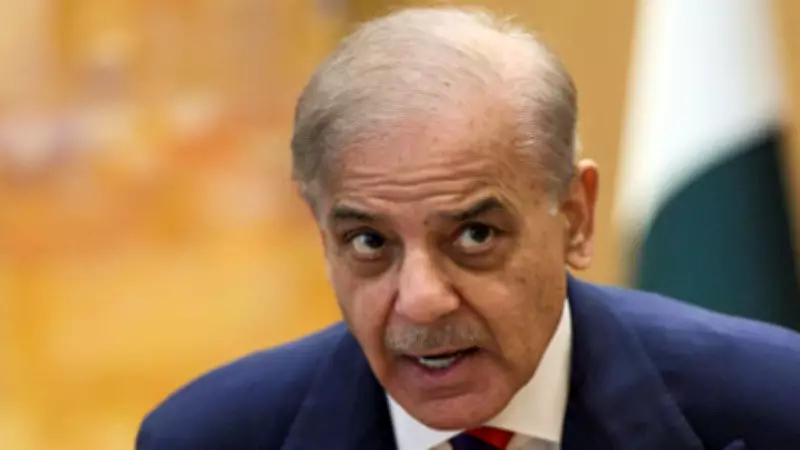
Pakistan Prime Minister Shehbaz Sharif has stated that the ongoing conflict between the United States and Iran has significantly increased Pakistan's import bill, exacerbating the country's already fragile economic situation. Speaking at a cabinet meeting, Sharif highlighted that the war has led to a surge in global oil prices, which directly impacts Pakistan's import costs as the country relies heavily on imported energy.
Economic Impact of US-Iran Conflict
The US-Iran war has disrupted global supply chains and caused volatility in energy markets. Pakistan, which imports a substantial portion of its oil and gas, has seen its import bill rise sharply. This increase puts additional pressure on the country's foreign exchange reserves and widens the trade deficit. Sharif noted that the government is exploring measures to mitigate the impact, including diversifying energy sources and seeking financial assistance from international partners.
Rising Inflation and Public Hardship
The higher import costs are expected to fuel inflation, affecting the cost of living for ordinary Pakistanis. Prices of essential goods, including food and fuel, have already risen in recent months. The government faces the challenge of balancing fiscal stability with the need to protect vulnerable populations from price shocks. Sharif called for unity and prudent economic management during this difficult period.

Pakistan's economy has been under strain for years, with high debt levels, a weak currency, and low growth. The US-Iran war adds to these woes, potentially derailing any recovery efforts. The government is in talks with the International Monetary Fund (IMF) for a bailout package, but the new crisis may complicate negotiations.
Regional and Global Repercussions
The conflict also has broader implications for the region. Pakistan, which shares borders with Iran, is concerned about spillover effects, including refugee flows and security challenges. Sharif urged all parties to exercise restraint and seek a peaceful resolution. He reaffirmed Pakistan's commitment to regional stability and called for dialogue to end the hostilities.
As the war continues, Pakistan's economic outlook remains uncertain. The government is under pressure to implement reforms and find ways to cushion the economy from external shocks. The coming months will be critical for the country's financial health and the well-being of its citizens.