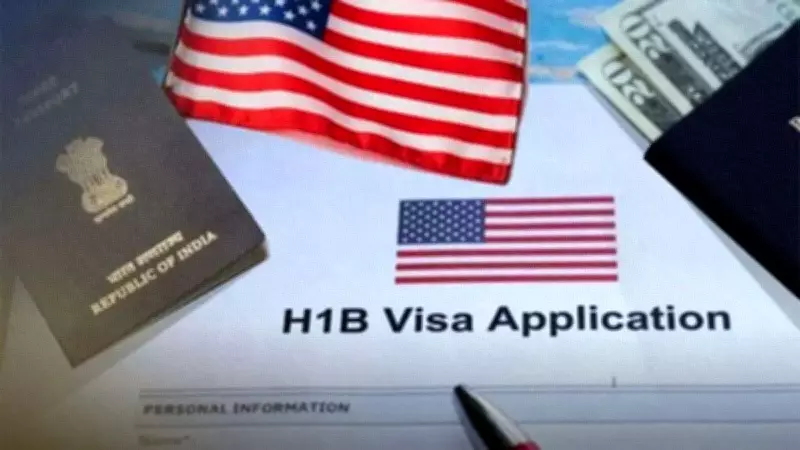
A United States federal judge has struck down the controversial $100,000 fee imposed on H1B visa applications under the Trump administration. The ruling, delivered on June 9, 2026, marks a significant victory for foreign workers, particularly Indian professionals who constitute the largest group of H1B visa holders.
Background of the Fee
The $100,000 fee was introduced in 2020 as part of a broader set of restrictions on work visas. The Trump administration argued that the fee was necessary to protect American workers and to fund training programs for domestic employees. However, critics contended that the fee was discriminatory and placed an undue burden on skilled immigrants and their employers.
Legal Challenge and Ruling
The lawsuit was filed by several technology companies and advocacy groups, who argued that the Department of Homeland Security overstepped its authority in imposing the fee. The judge agreed, stating that the fee was arbitrary and capricious, and that the department failed to provide adequate justification for the amount. The ruling invalidates the fee nationwide, meaning that employers will no longer have to pay the $100,000 charge for H1B petitions.

Impact on Indian Professionals
Indian professionals are expected to be the primary beneficiaries of this ruling. According to data from the US Citizenship and Immigration Services, Indians account for nearly 70% of all H1B visas issued annually. The fee had made it prohibitively expensive for many small and medium-sized companies to sponsor Indian workers, leading to a decline in visa applications.
Reduced Financial Burden
With the fee eliminated, the cost of hiring foreign talent will decrease significantly. Employers will only need to pay the standard filing fees, which range from $460 to $1,500, depending on the company size and processing type. This reduction is expected to encourage more companies to hire skilled Indian professionals, particularly in the technology sector.
Easier Visa Renewals
The ruling also applies to visa renewals and extensions. Previously, workers seeking to extend their H1B status were required to pay the $100,000 fee again, which created financial instability. Now, renewals will be processed without this additional charge, allowing professionals to plan their careers more confidently.
Broader Implications
Beyond the financial relief, the decision signals a shift in US immigration policy. It reflects a growing recognition of the value of skilled immigrants in driving innovation and economic growth. Indian IT firms, which rely heavily on H1B visas to staff their US operations, have welcomed the ruling. Industry bodies such as Nasscom have called for further reforms to streamline the visa process.
Potential Challenges
While the ruling is a positive development, experts caution that other restrictions remain in place. The H1B lottery system, which caps the number of visas at 85,000 per year, continues to create uncertainty. Additionally, the Biden administration has proposed changes to the wage levels required for H1B holders, which could still impact Indian professionals.
Conclusion
The scrapping of the $100,000 fee is a landmark decision that alleviates a major financial hurdle for Indian professionals seeking to work in the United States. It underscores the importance of legal challenges in checking executive overreach and provides a template for future advocacy. As the US continues to debate immigration reform, this ruling offers a glimpse of a more welcoming environment for skilled foreign workers.